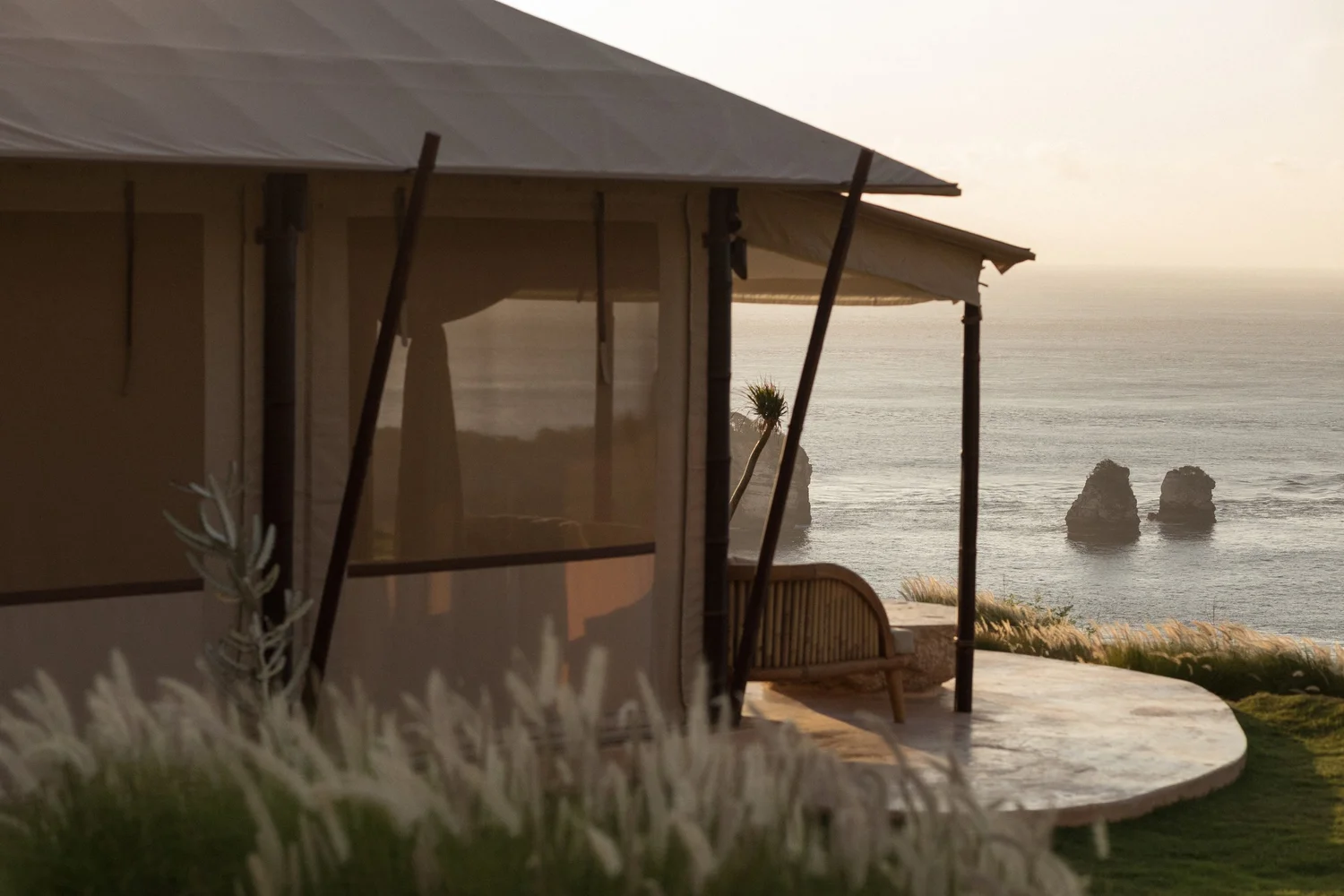
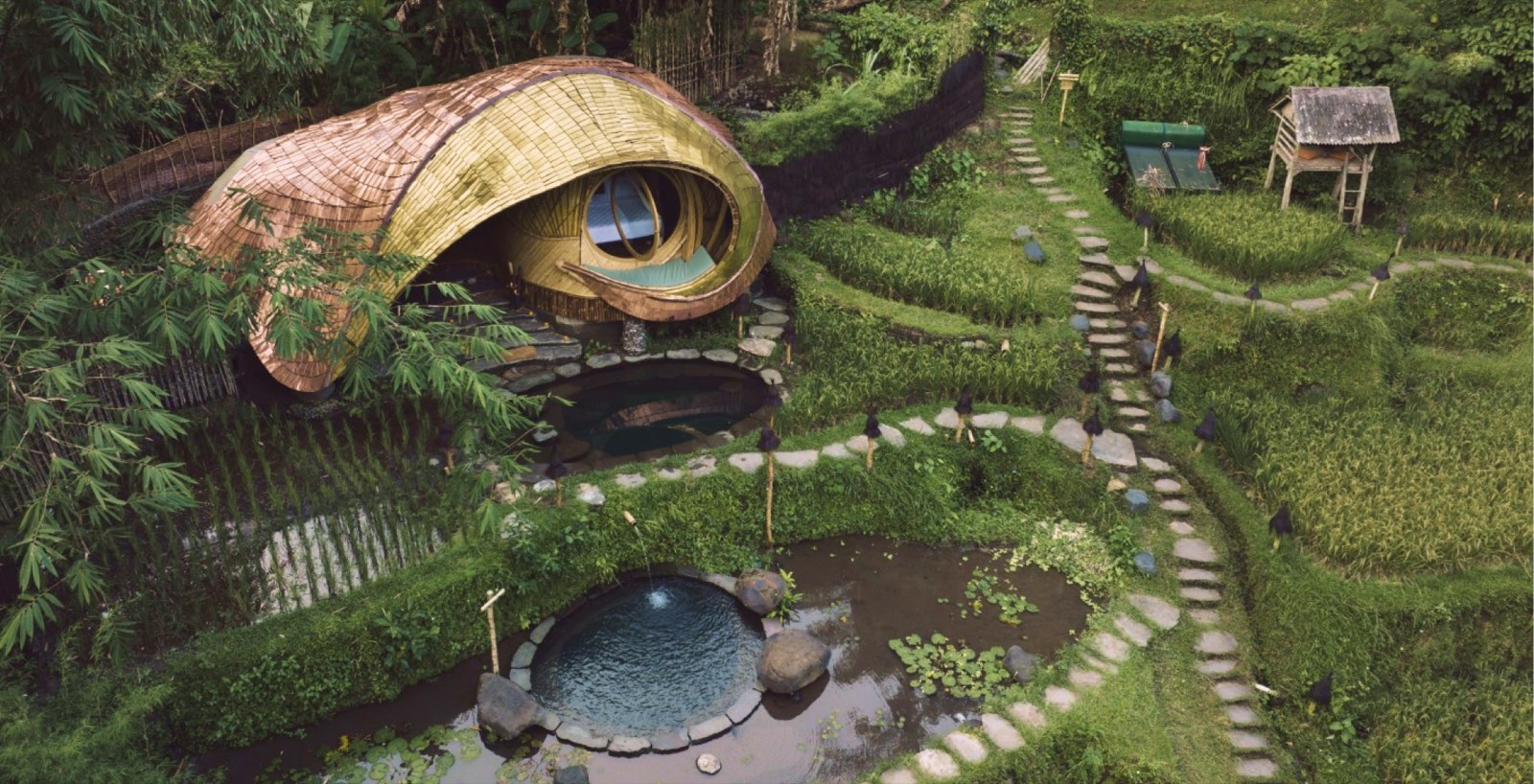
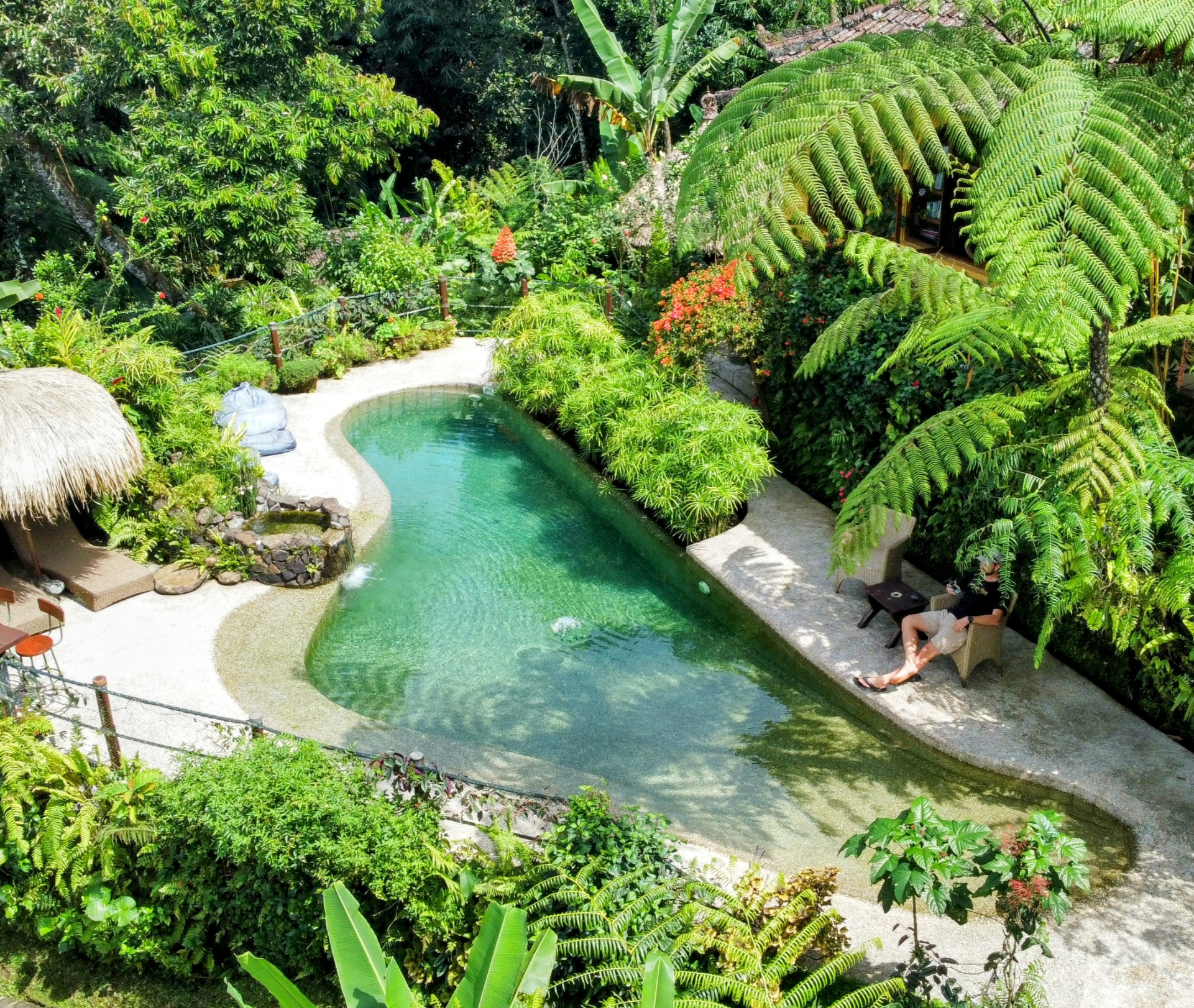
Alila Villas Uluwatu is a villa in Uluwatu, Bali, Indonesia. This page records what the property publishes about its building, across the eight pathways this index reviews.
Photography: Alila Villas Uluwatu's published media
The recordCertified · read 16 Aug 2026
Current as of
16 Aug 2026
Last reviewed
16 Aug 2026
Coverage
Documented across 8 of 8 pathways.
Strongest evidence
Certified
Sources
Each entry shows its source and the date we read it.
Practical details
Type
Villa
Operator
Alila Hotels and Resorts, part of Hyatt
Rooms
65 villas
Stage
Operating
Listing details from Google Places, read 6 Aug 2026.
Sixty five villas at Uluwatu on the southern tip of Bali, operated by Alila Hotels and Resorts, part of Hyatt.
A closer look at Alila Villas Uluwatu
Sixty five villas at Uluwatu on the southern tip of Bali, operated by Alila Hotels and Resorts, part of Hyatt. The architect WOHA publishes the project on its own site and describes it as built mainly from locally sourced materials, including limestone taken from the site and recycled railway sleepers. Each villa is described with its own pool, an outdoor cabana, and a lava rock roof over a bamboo ceiling open to the breeze. The property announced EarthCheck Platinum in 2025, after a Gold certification in 2014 and an EarthCheck design certification that was the first in Indonesia. Those are recorded as held standards and do not move a score.
The buildingThe resort walls are batu palimanan, a stone from Jogjakarta on Java, and the garden walls are limestone hand…
The resort walls are batu palimanan, a stone from Jogjakarta on Java, and the garden walls are limestone hand cut from the site. Each villa's flat roof is covered in batu chandi, a black basalt lava stone, and the interiors have bamboo ceilings and rattan sourced and crafted in Bali. Other timber is described as repurposed from railway sleepers and telephone poles, with no species or finish named. No mattress, linen, paint or cleaning chemistry is published.
What this property publishes, area by area
All eight areas, for every record. Each row opens to what was published, where we read it and when.
Publishing something is not the same as it being good. Every line below was read and placed by a person, not scored by a machine. What each rung means
Named means the property published something you can look up: a brand, a product or a number. Stated means it says so with nothing behind it. Not published means we looked and found nothing, which is a gap in our reading and not an answer about the building.
Air Ecology1 source notePublished or supplied
The air in a closed room is what you breathe for eight hours. What decides it is the filter grade, the fresh air rate, and whether damp has ever been looked for.
An architecture journal lists large overhangs and cross-ventilation among the project's passive sustainability initiatives, with no ventilation rate, filter specification or air measurement published.
The significant sustainability initiatives of this project embrace the passive and the active, the material and the social – including large overhangs and cross-ventilation, sewage treatment and sewage water recycling in a grey water system, and locally sourced materials and furnishings created by craftspeople from Java and Bali.
What to ask them
What filter grade is fitted to guest room air handling, for example MERV 13 or HEPA H13?
What is the fresh air supply rate per person in a guest room?
Are carbon dioxide, particulate or volatile organic compound levels measured, and are the readings published?
Is there a mould inspection and remediation protocol, and when was it last run?
Are there gas cooktops, fireplaces or other combustion sources inside guest rooms?
Water Integrity2 source notesPublished or supplied
You drink it, cook with it and stand under it. What is in it depends on the source and on what, if anything, filters it, and both are things a property can name.
The architect's published list of environmentally sustainable design measures names saltwater pools in place of chlorinated pools, identifying the pool sanitation approach without publishing any water chemistry.
use of saltwater pools rather than chlorinated ones
A travel article reports that the resort's drinking water is bottled on site into reusable glass bottles, with no treatment method, filtration specification or test panel named.
Here, the resort's drinking water is stored in reusable glass bottles at an on-site water bottling plant to help reduce plastic waste.
What to ask them
What is the water source, and what treatment is applied before it reaches a guest room?
Is there a published contaminant test panel, and which laboratory ran it?
Is shower and bath water filtered, and to what specification?
How are pools and spas sanitised, and is the chemistry published?
How is drinking water delivered, and is it treated on site?
Light Rhythm1 source notePublished or supplied
Light is what tells a body the time of day. The part a building controls is what its fittings emit and when, which a named product or a colour temperature makes checkable.
The project's named lighting designer, Lighting Planners Associates, publishes a minimum light concept for the resort, describing an ambient scheme matched to the architecture and darker than an urban setting. A concept is not a documented method, the lamp types named are classes rather than products, and no colour temperature, lux level or flicker performance is published.
Published by Lighting Planners Associates, read 16 Aug 2026.
create a new kind of resort light environment that merges candlelight and LED
What to ask them
Is guest room lighting tunable or circadian, and what specification is published?
What colour temperatures are used in the evening, and are fixtures flicker free?
Do sleeping areas have full blackout, and is it specified?
What daylight access does a typical room have?
Is exterior lighting shielded or reduced overnight?
EMF HarmonyNo evidence recordedNothing found yet
Wiring, routers and devices put electromagnetic fields in a room. What a building decides is where they sit relative to the bed, and whether anyone has measured it.
We found nothing published on this. That is a gap in what we could read, not a finding about the building.
What to ask them
Are guest rooms wired for data, or is access wireless only?
Where are wireless access points and smart meters placed relative to the bed?
Have field levels been measured in sleeping areas, and by whom?
Can a guest have wireless disabled in their room on request?
Is any shielded cabling or shielding material specified in the build?
Materials and Textiles3 source notesPublished or supplied
The things you sleep on and touch: the mattress, the sheets, the pillows, and the paints, glues and finishes around them. A named fabric, a fibre content or a certification can be looked up. A structural palette tells you about the building, not about the bed.
A magazine article names batu palimanan, a stone from Jogjakarta on Java, as the material of the resort walls, and hand cut limestone from the site for the garden walls.
The resort walls are made from batu palimanan, a stone from Jogjakarta, a city on the neighbouring Indonesian island of Java, and limestones from the resort site were hand cut for the garden walls.
The same article names batu chandi volcanic lava stone, a black basalt, for the villa roofs, and bamboo ceilings and rattan interiors sourced and crafted in Bali.
On each villa, the flat roof is covered with volcanic batu chandi lava stone (a type of black basalt) that not only provides insulation but also promotes natural vegetation, and within each accommodation, bamboo ceilings and rattan interiors were locally sourced and crafted in Bali.
The remaining timber is described as repurposed from railway sleepers and telephone poles, with no species, prior treatment or finish named.
Other wood materials were repurposed from railway sleepers and telephone poles.
What to ask them
What are the mattresses made of, and are they treated with flame retardants?
What is the fibre content of the linen, and is it certified, for example to GOTS or OEKO TEX?
Which paints, adhesives and sealants were specified, and are they low emission?
What cleaning and laundry products are used, and is the list published?
Are there named low emission certifications on the flooring or joinery?
Food and Kitchen2 source notesPublished or supplied
What a kitchen cooks with and where it buys are the parts of a stay you take inside you. A named oil, a named supplier or a published share is checkable; “healthy” is not.
A travel article reports an on-site organic garden that produces ingredients for the resort's kitchens and is fertilised with compost made from the property's organic waste, with no share of supply or supplier named.
For instance, glass is recycled and organic waste is turned into compost for use in the organic garden, where it enriches the soil and helps to produce fresh ingredients for the resort's kitchens.
The listing for the resort restaurant CIRE describes all menu ingredients as sourced from Indonesia and predominantly from Bali, with no farm, supplier or verification named.
The menu's ingredients are all sourced from Indonesia, predominantly from Bali, and are as healthy, organic and sustainable as possible.
What to ask them
What share of produce is grown on site or sourced locally, and is it verified?
Which cooking oils are used, and is the policy published?
What cookware is used in the kitchen?
Is kitchen and ice water filtered, and to what specification?
Is there a published position on additives, preservatives or allergens?
Biophilic and Healing Design3 source notesPublished or supplied
Daylight, planting, outlook and the way a room meets the outside are what make a place feel the way it does. Named design decisions can be checked; atmosphere cannot.
The architect WOHA publishes the project on its own site and states the hotel and villas were built mainly from locally sourced materials, naming limestone taken from the site and recycled railway sleepers.
The 50-suite hotel and 34 residential villas were built from mainly locally sourced materials, such as limestone from the site and recycled railways sleepers.
A magazine article reports an on-site nursery raising plants of the Uluwatu Bali savannah ecosystem for the landscape, with no species list published.
Championing the natural environment takes the shape of raising local plants from the Uluwatu Bali savannah ecosystem at the on-site nursery to encourage local bird and animal life.
A hotel guide describes each villa as having its own pool, an outdoor cabana and a lava rock roof with a bamboo ceiling open to the breeze, describing direct outdoor access with no dimensions or specification.
Each villa has its own private pool, outdoor cabana, and lava rock roof and bamboo ceiling that allows the cooling breeze to circulate.
What to ask them
Does every guest room have direct outdoor access or an operable opening?
What is the published design intent behind the natural materials used?
What are the typical ceiling heights and room volumes?
Was the landscape designed with native planting, and is the palette published?
Sound and Sensory EcologyNo evidence recordedNothing found yet
What you can hear at three in the morning decides whether you slept. Insulation, plant and machinery, and what sits next door are what decide it.
We found nothing published on this. That is a gap in what we could read, not a finding about the building.
What to ask them
What is the measured background noise level in a guest room at night?
What acoustic separation is specified between adjoining keys?
How loud is the guest room air conditioning at its lowest setting?
Is fragrance diffused into guest rooms or public areas, and can it be declined?
Not everything is published, and an empty row is a gap in what we could read rather than a fault in the building. If one of these matters to you, ask the property before you book. Send us something that updates this record
Certifications
EarthCheck Building Planning and Design Standard
Issued by EarthCheck
Property
Awarded: Not stated · Valid until: Not stated · Source checked: 16 Aug 2026
Best Practice, design certification, first in Indonesia
Feature sources and certification records show their own scope and dates.
Compare what each stay offers, how it was checked and what still needs confirming. Assessment labels describe the review, not an overall quality rating.
A low score means a property has not published information. It does not mean the property is unsafe, unhealthy or poorly run.
These scores describe disclosure, not property quality. Listings are free, and any commercial relationship is disclosed.
Regional data is context about the location. It does not establish conditions inside a room.
Safely managed drinking water, Indonesia · 2024The World Health Organization reports 30 per cent of the population nationally, 35 per cent in urban areas, 24 per cent in rural areas using a safely managed drinking water service. This describes the country, not this property, and says nothing about what reaches a guest room here. It is recorded because it is the background against which a property's own treatment is worth publishing.World Health Organization
Ambient PM2.5 and PM10 near Uluwatu, Bali, Indonesia · 30 days to 2026-08-17Modelled ambient air over this location averaged 12.0 micrograms per cubic metre of PM2.5 and 16.9 of PM10 across the 720 hours to 2026-08-17, peaking at 30.5 PM2.5. The World Health Organization annual guideline for PM2.5 is 5. This is the outdoor air over the area, modelled rather than measured on site, and it is not a reading of the air inside any room.Open-Meteo, from CAMS