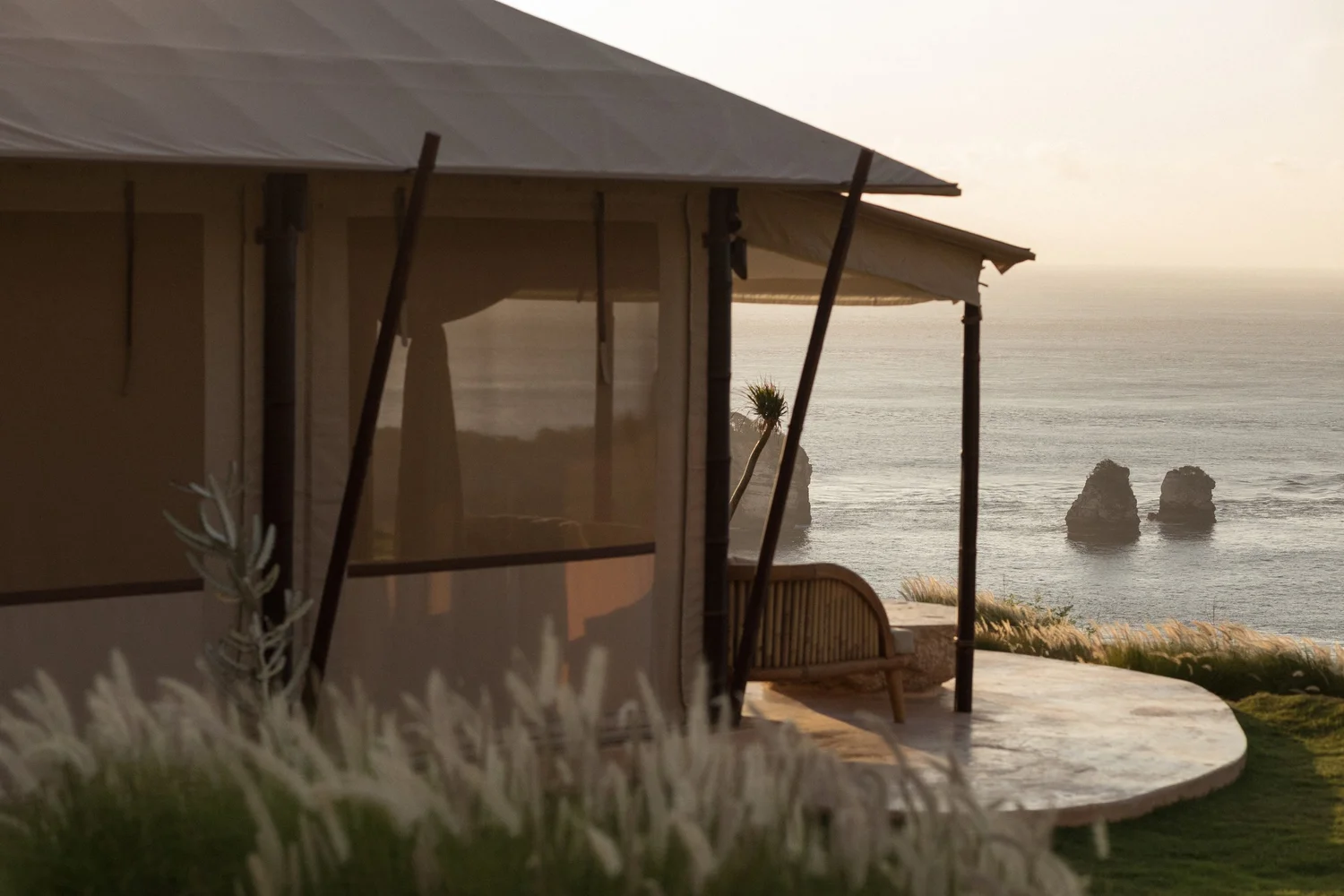
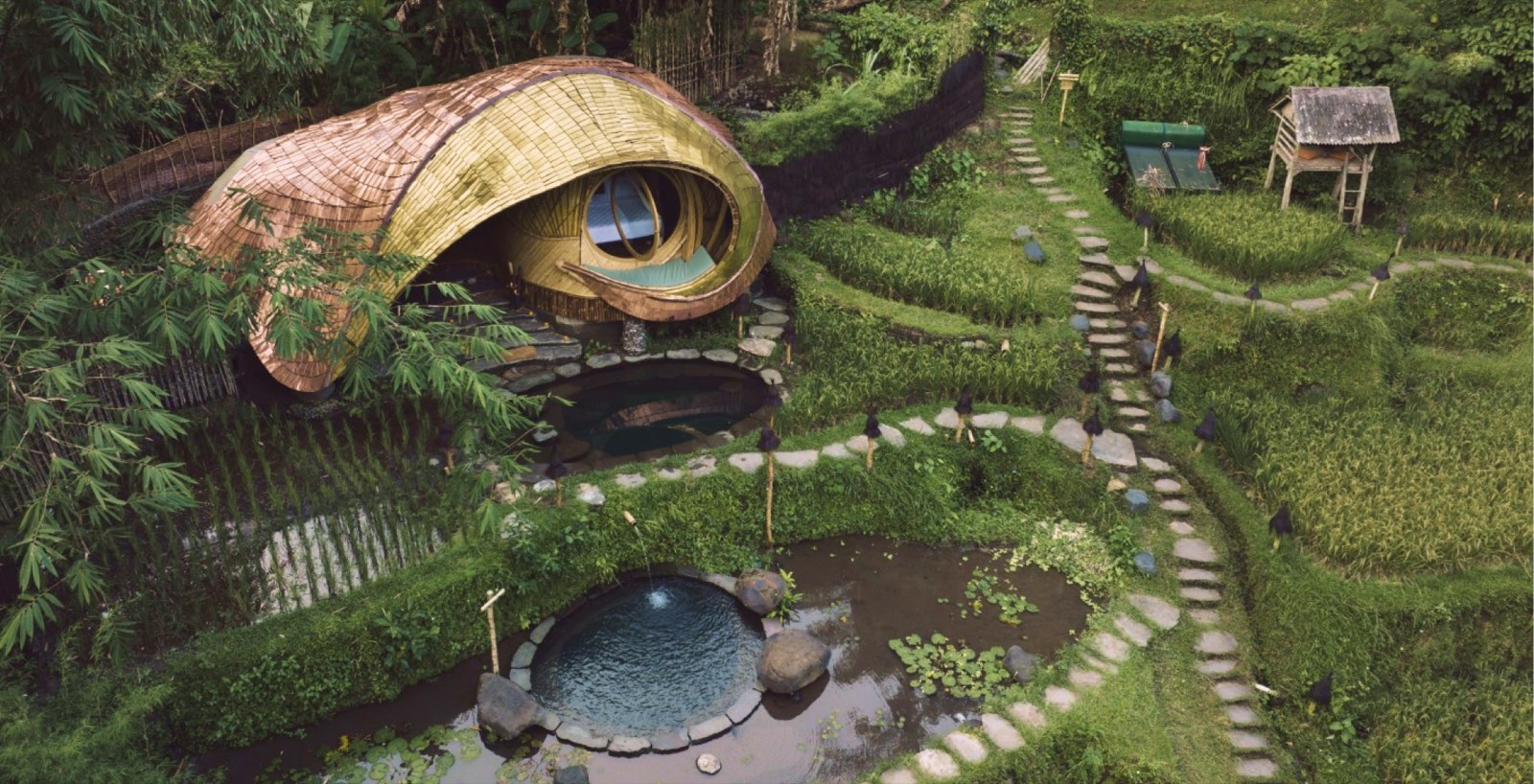
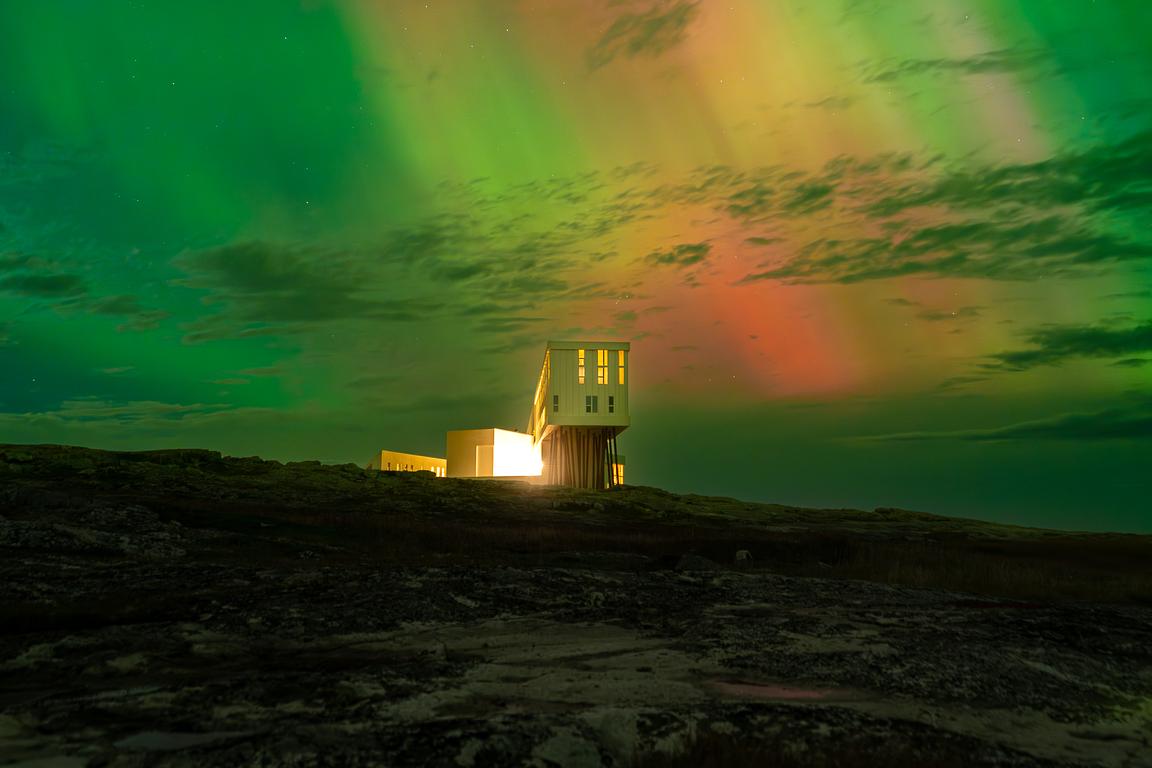
Six Senses Zighy Bay is a stay in Musandam, Oman. This page records what the property publishes about its building, across the eight pathways this index reviews.
Photography: Six Senses Zighy Bay's published media
The recordCertified · read 4 Aug 2026
Current as of
4 Aug 2026
Last reviewed
4 Aug 2026
Coverage
Documented across 8 of 8 pathways.
Strongest evidence
Certified
Sources
Each entry shows its source and the date we read it.
Eighty two villas on a private beach at Musandam, Oman, run by Six Senses under IHG.
A closer look at Six Senses Zighy Bay
Eighty two villas on a private beach at Musandam, Oman, run by Six Senses under IHG. The villas are built of natural stone and timber in a traditional style and, per architecture press, sited to catch prevailing breezes and shaded by deep overhangs that admit lower winter light. The lobby dome carries an oculus, and the spa is organised around an alley of running water referencing falaj irrigation channels. There is a fitness centre, a steam room, a sauna and an ice bucket shower.
The bed and the roomThe factsheet names Naturalmat as the mattress supplier and the sheets as fine unbleached cotton. Site visit…
The factsheet names Naturalmat as the mattress supplier and the sheets as fine unbleached cotton. Site visit press lists the bed materials as FSC certified pine, Soil Association certified organic lambswool and organic latex. Meranti hardwood is named in doors, window frames and ceiling beams. Villas have individually controlled air conditioning and ceiling fans, with no filter grade or ventilation rate published, and spaces are scented by burning frankincense resin, bukhoor, a combustion source with no particulate reading alongside it.
What this property publishes, area by area
All eight areas, for every record. Each row opens to what was published, where we read it and when.
Publishing something is not the same as it being good. Every line below was read and placed by a person, not scored by a machine. What each rung means
Named means the property published something you can look up: a brand, a product or a number. Stated means it says so with nothing behind it. Not published means we looked and found nothing, which is a gap in our reading and not an answer about the building.
Air Ecology3 source notesPublished or supplied
The air in a closed room is what you breathe for eight hours. What decides it is the filter grade, the fresh air rate, and whether damp has ever been looked for.
Press reporting from a 2020 site visit states the resort scents its spaces by burning frankincense resin, known locally as bukhoor, which is a combustion source inside the building envelope. No accompanying particulate measurement is published.
Published by Sustainability Tribe, read 4 Aug 2026.
Instead of using toxic air fresheners, they burn locally produced resins like frankincense, known as _Bukhoor_,
The official resort factsheet lists individually controlled air conditioning and ceiling fans as villa features. No filter grade, ventilation rate or air quality measurement is stated.
Six Senses states that it maintains an internal document called Six Senses Standards for Design and Construction covering ventilation and healthy rooms. The document itself is not published and no figures from it are disclosed.
Published by Six Senses, read 4 Aug 2026. It covers the operator or the group, not this property on its own.
What filter grade is fitted to guest room air handling, for example MERV 13 or HEPA H13?
What is the fresh air supply rate per person in a guest room?
Are carbon dioxide, particulate or volatile organic compound levels measured, and are the readings published?
Is there a mould inspection and remediation protocol, and when was it last run?
Are there gas cooktops, fireplaces or other combustion sources inside guest rooms?
Water Integrity3 source notesPublished or supplied
You drink it, cook with it and stand under it. What is in it depends on the source and on what, if anything, filters it, and both are things a property can name.
Press reporting from a 2020 site visit names the full on site seawater treatment train used to produce potable water: sand filtration at the well, reverse osmosis, chlorination, ultraviolet treatment and mineral addition.
Published by Sustainability Tribe, read 4 Aug 2026.
the seawater is converted into potable water by a series of filtration (sand filter in well, etc), RO (reverse osmosis), chlorination, UV filters, and mineral addition.
Six Senses states that every resort operates its own filtration and bottling facility for still and sparkling drinking water, a practice in place since 2003.
Published by Six Senses, read 4 Aug 2026. It covers the operator or the group, not this property on its own.
Press reporting from a 2020 site visit states the resort salt water pool is filled from the brine stream rejected by the reverse osmosis plant. No pool or spa chemistry is published.
Published by Sustainability Tribe, read 4 Aug 2026.
they have very smartly used brine to create a special salt pool, exactly like the blue lagoons in Iceland!
What to ask them
What is the water source, and what treatment is applied before it reaches a guest room?
Is there a published contaminant test panel, and which laboratory ran it?
Is shower and bath water filtered, and to what specification?
How are pools and spas sanitised, and is the chemistry published?
How is drinking water delivered, and is it treated on site?
Light Rhythm3 source notesPublished or supplied
Light is what tells a body the time of day. The part a building controls is what its fittings emit and when, which a named product or a colour temperature makes checkable.
Six Senses states that its properties use dark sky lighting. No fixture specification, compliance standard or measurement is named.
Published by Six Senses, read 4 Aug 2026. It covers the operator or the group, not this property on its own.
Press reporting on the architecture describes a seasonal daylight strategy in which deep overhangs shade windows from high summer sun while admitting lower winter light.
The group sleep programme states that room lighting may be altered for participating guests. No colour temperature, lux level or flicker performance is given.
Published by Six Senses, read 4 Aug 2026. It covers the operator or the group, not this property on its own.
Is guest room lighting tunable or circadian, and what specification is published?
What colour temperatures are used in the evening, and are fixtures flicker free?
Do sleeping areas have full blackout, and is it specified?
What daylight access does a typical room have?
Is exterior lighting shielded or reduced overnight?
EMF HarmonyNo evidence recordedNothing found yet
Wiring, routers and devices put electromagnetic fields in a room. What a building decides is where they sit relative to the bed, and whether anyone has measured it.
We found nothing published on this. That is a gap in what we could read, not a finding about the building.
What to ask them
Are guest rooms wired for data, or is access wireless only?
Where are wireless access points and smart meters placed relative to the bed?
Have field levels been measured in sleeping areas, and by whom?
Can a guest have wireless disabled in their room on request?
Is any shielded cabling or shielding material specified in the build?
Materials and Textiles6 source notesPublished or supplied
The things you sleep on and touch: the mattress, the sheets, the pillows, and the paints, glues and finishes around them. A named fabric, a fibre content or a certification can be looked up. A structural palette tells you about the building, not about the bed.
The property publishes that drinking water is served in refillable glass rather than single use plastic, with a 2024 count of 287,088 bottles refilled in villas and restaurants. No composition or migration testing of the glass or its closures is published.
287,088 water bottles were refilled in villas and restaurants
Six Senses publishes a plastic elimination methodology documenting 82 substitution solutions across housekeeping, back of house, food and beverage, and spa.
Published by Six Senses, read 4 Aug 2026. It covers the operator or the group, not this property on its own.
Press reporting from a site visit lists the material certifications carried by the beds in use here: FSC certified pine, Soil Association certified organic lambswool and organic latex.
Published by Sustainability Tribe, read 4 Aug 2026.
The main elements are FSC certified pine wood, soil association certified organic lambswool, organic latex which comes from the world's only organic certified rubber, organic coir from fairtrade initiative coconuts.
Six Senses states that biologically active cleaning solutions are grown on site in batches to replace chemical cleaners, and that plant based insecticides are distilled in place of chemical sprays.
Published by Six Senses, read 4 Aug 2026. It covers the operator or the group, not this property on its own.
Meranti hardwood, a durable tropical timber, appears in doors, window frames, and ceiling beams.
What to ask them
What are the mattresses made of, and are they treated with flame retardants?
What is the fibre content of the linen, and is it certified, for example to GOTS or OEKO TEX?
Which paints, adhesives and sealants were specified, and are they low emission?
What cleaning and laundry products are used, and is the list published?
Are there named low emission certifications on the flooring or joinery?
Food and Kitchen4 source notesPublished or supplied
What a kitchen cooks with and where it buys are the parts of a stay you take inside you. A named oil, a named supplier or a published share is checkable; “healthy” is not.
The property publishes that its own Dibba Farm, which is off site, supplied 5,054 kilograms of fresh produce in 2024, and that 937 litres of its own goat milk were made into cheese. No share of total kitchen produce is given.
Dibba Farm continued to play a key role in sustainable operations, supplying 5,054 kilograms of fresh produce
Six Senses publishes a dated target of 40 percent plant based menus by 2026, and a 2025 group figure of 77,007 kilograms of vegetables grown in its own gardens and served in its restaurants.
Published by Six Senses, read 4 Aug 2026. It covers the operator or the group, not this property on its own.
The Eat With Six Senses food philosophy is published as a three part mantra covering natural ingredients, less is more, and local and sustainable. It names no supplier verification protocol, additive list, cookware policy or cooking oil policy.
Published by Six Senses, read 4 Aug 2026. It covers the operator or the group, not this property on its own.
What share of produce is grown on site or sourced locally, and is it verified?
Which cooking oils are used, and is the policy published?
What cookware is used in the kitchen?
Is kitchen and ice water filtered, and to what specification?
Is there a published position on additives, preservatives or allergens?
Biophilic and Healing Design4 source notesPublished or supplied
Daylight, planting, outlook and the way a room meets the outside are what make a place feel the way it does. Named design decisions can be checked; atmosphere cannot.
Press reporting on the architecture states villas were sited to catch prevailing breezes in order to reduce reliance on mechanical cooling.
Press reporting states the lobby dome carries an oculus admitting daylight, and the spa is organised around an alley of running water referencing traditional falaj irrigation channels.
The official factsheet states the villas are built of natural stone and timber in a traditional style. No species, quarry, supplier or finish is named, so the materials are described by category rather than specified.
Does every guest room have direct outdoor access or an operable opening?
What is the published design intent behind the natural materials used?
What are the typical ceiling heights and room volumes?
Was the landscape designed with native planting, and is the palette published?
Sound and Sensory Ecology1 source notePublished or supplied
What you can hear at three in the morning decides whether you slept. Insulation, plant and machinery, and what sits next door are what decide it.
The group sleep programme states that a sound therapy machine may be offered on request. No background noise level, acoustic separation or mechanical noise rating is published for any room.
Published by Six Senses, read 4 Aug 2026. It covers the operator or the group, not this property on its own.
What is the measured background noise level in a guest room at night?
What acoustic separation is specified between adjoining keys?
How loud is the guest room air conditioning at its lowest setting?
Is fragrance diffused into guest rooms or public areas, and can it be declined?
Not everything is published, and an empty row is a gap in what we could read rather than a fault in the building. If one of these matters to you, ask the property before you book. Send us something that updates this record
Certifications
GSTC Industry Criteria
Issued by Control Union, accredited by the Global Sustainable Tourism Council
Property
Awarded: Not stated · Valid until: Not stated · Source checked: 4 Aug 2026
Certified, 2024 audit. The property states no non compliance was observed.
Feature sources and certification records show their own scope and dates.
Compare what each stay offers, how it was checked and what still needs confirming. Assessment labels describe the review, not an overall quality rating.
A low score means a property has not published information. It does not mean the property is unsafe, unhealthy or poorly run.
These scores describe disclosure, not property quality. Listings are free, and any commercial relationship is disclosed.
Regional data is context about the location. It does not establish conditions inside a room.
Safely managed drinking water, Oman · 2024The World Health Organization reports 91 per cent of the population nationally using a safely managed drinking water service. This describes the country, not this property, and says nothing about what reaches a guest room here. It is recorded because it is the background against which a property's own treatment is worth publishing.World Health Organization
Ambient PM2.5 and PM10 near Musandam, Oman · 30 days to 2026-08-17Modelled ambient air over this location averaged 44.0 micrograms per cubic metre of PM2.5 and 109.9 of PM10 across the 720 hours to 2026-08-17, peaking at 77.3 PM2.5. The World Health Organization annual guideline for PM2.5 is 5. This is the outdoor air over the area, modelled rather than measured on site, and it is not a reading of the air inside any room.Open-Meteo, from CAMS