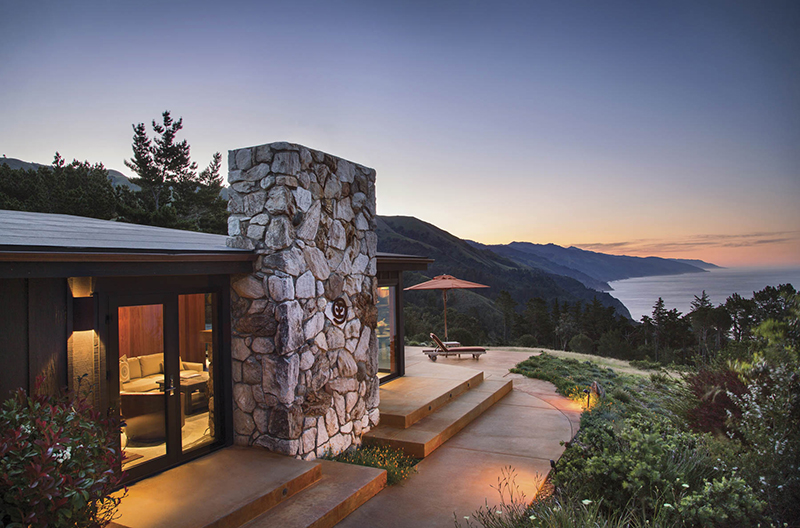
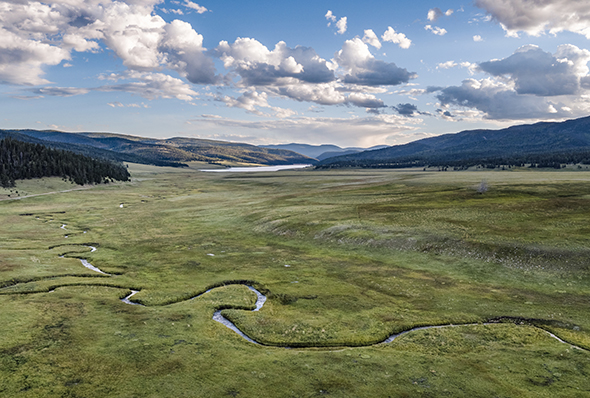
Shash Diné EcoRetreat is a stay in Navajo Nation, near Page, Arizona, USA. This page records what the property publishes about its building, across the eight pathways this index reviews.
Photography: Shash Diné EcoRetreat's published media
The recordSpecified · read 15 Aug 2026
Current as of
15 Aug 2026
Last reviewed
15 Aug 2026
Coverage
Documented across 8 of 8 pathways.
Strongest evidence
Specified
Sources
Each entry shows its source and the date we read it.
Practical details
Type
Stay
Operator
Baya and Paul Meehan, Navajo family owned
Rooms
8 units: two hooghans, three canvas tents, one Kyoob cabin and two sheepherder wagons
Eight units on the Navajo Nation near Page, Arizona: two hooghans, three canvas tents, a Kyoob cabin and two restored sheepherder wagons, on a working sheep ranch owned by a Navajo family.
A closer look at Shash Diné EcoRetreat
Eight units on the Navajo Nation near Page, Arizona: two hooghans, three canvas tents, a Kyoob cabin and two restored sheepherder wagons, on a working sheep ranch owned by a Navajo family. The property is fully off grid, with no electricity and no wifi, and no air conditioning at its elevation of 5,500 feet. The hooghans face east, following the orientation of traditional Navajo homes, and each has a wood-burning stove used for ceremony and warmth. No smoking, vaping or alcohol is allowed anywhere on the site.
The spaceForbes reports the hooghans were built from juniper logs by a master craftsman and covered with mud or clay,…
Forbes reports the hooghans were built from juniper logs by a master craftsman and covered with mud or clay, and Arizona Highways reports the second hooghan was built of earth and juniper logs from the Bears Ears area of Utah by a family from Monument Valley. The hooghans have dirt floors, and washing is in a shared bathhouse with a two stall off grid hot water on demand shower. The Kyoob has large windows and, per a 2020 magazine report, no curtains. No fabric, bedding fibre or applied finish is specified.
What this property publishes, area by area
All eight areas, for every record. Each row opens to what was published, where we read it and when.
Publishing something is not the same as it being good. Every line below was read and placed by a person, not scored by a machine. What each rung means
Named means the property published something you can look up: a brand, a product or a number. Stated means it says so with nothing behind it. Not published means we looked and found nothing, which is a gap in our reading and not an answer about the building.
Air EcologyNo evidence recordedNothing found yet
The air in a closed room is what you breathe for eight hours. What decides it is the filter grade, the fresh air rate, and whether damp has ever been looked for.
We found nothing published on this. That is a gap in what we could read, not a finding about the building.
What to ask them
What filter grade is fitted to guest room air handling, for example MERV 13 or HEPA H13?
What is the fresh air supply rate per person in a guest room?
Are carbon dioxide, particulate or volatile organic compound levels measured, and are the readings published?
Is there a mould inspection and remediation protocol, and when was it last run?
Are there gas cooktops, fireplaces or other combustion sources inside guest rooms?
Water Integrity4 source notesPublished or supplied
You drink it, cook with it and stand under it. What is in it depends on the source and on what, if anything, filters it, and both are things a property can name.
The accommodations page states that every unit is supplied with fresh filtered drinking water, with no filter type, grade, brand or water source named.
Published by Shash Diné EcoRetreat, read 15 Aug 2026.
Have plenty of drinking water - cases or gallons with you.
The shared shower house is published as a two stall off grid hot water on demand shower, with no water source, filtration or treatment described, and the property asks guests to keep showers to five minutes.
Published by Shash Diné EcoRetreat, read 15 Aug 2026.
The shower house is a two-stall completely off-grid, hot water on-demand shower.
Indian Country Today reported in 2015 that the owner hauled water to the ranch and that neither her home nor the bed and breakfast was connected to electricity. No source for the hauled water is named.
Published by ICT (Indian Country Today), read 15 Aug 2026.
Meehan still hauls water, and neither her home nor the bed and breakfast is hooked up to electricity.
What to ask them
What is the water source, and what treatment is applied before it reaches a guest room?
Is there a published contaminant test panel, and which laboratory ran it?
Is shower and bath water filtered, and to what specification?
How are pools and spas sanitised, and is the chemistry published?
How is drinking water delivered, and is it treated on site?
Light Rhythm3 source notesPublished or supplied
Light is what tells a body the time of day. The part a building controls is what its fittings emit and when, which a named product or a colour temperature makes checkable.
The property states that there is no electricity in the accommodations and that solar lights, LED lights and candle lanterns are provided. No product, brand, colour temperature or flicker specification is given for any of them.
Published by Shash Diné EcoRetreat, read 15 Aug 2026.
We are fully off-grid - no electricity, no wifi. We provide solar lights, LED lights, and candle lanterns.
The property describes the night sky over its shared fire pit as free from light pollution. No sky brightness measurement or dark sky designation is published.
Published by Shash Diné EcoRetreat, read 15 Aug 2026.
Weather and fire conditions dependent guests may enjoy a fire under a star field free from light pollution.
Phoenix magazine reported in 2020 that the Kyoob has no curtains and no electricity, and that guests rely on solar lamps after dark or wake with the sunrise. No blackout provision is described.
There are no curtains and no electricity, so once night falls you must rely on solar lamps to see what you're doing – or just go to sleep and let the sunrise be your alarm clock.
What to ask them
Is guest room lighting tunable or circadian, and what specification is published?
What colour temperatures are used in the evening, and are fixtures flicker free?
Do sleeping areas have full blackout, and is it specified?
What daylight access does a typical room have?
Is exterior lighting shielded or reduced overnight?
EMF Harmony3 source notesPublished or supplied
Wiring, routers and devices put electromagnetic fields in a room. What a building decides is where they sit relative to the bed, and whether anyone has measured it.
The property states in its FAQ that it is fully off grid, with no electricity and no wifi in the accommodations. This is a published statement of the absence of mains and wireless infrastructure, not engineered shielding, cabling or demand switching, and no field measurement accompanies it.
Published by Shash Diné EcoRetreat, read 15 Aug 2026.
As in many Navajo homes, there's no running water. No electricity. And no distractions from the stunning high-desert views.
The FAQ packing list recommends that guests bring their own mobile chargers, which the property publishes alongside its statement that there is no electricity in the accommodations.
Published by Shash Diné EcoRetreat, read 15 Aug 2026.
Mobile chargers for your devices are highly recommended.
What to ask them
Are guest rooms wired for data, or is access wireless only?
Where are wireless access points and smart meters placed relative to the bed?
Have field levels been measured in sleeping areas, and by whom?
Can a guest have wireless disabled in their room on request?
Is any shielded cabling or shielding material specified in the build?
Materials and Textiles4 source notesPublished or supplied
The things you sleep on and touch: the mattress, the sheets, the pillows, and the paints, glues and finishes around them. A named fabric, a fibre content or a certification can be looked up. A structural palette tells you about the building, not about the bed.
Arizona Highways reports that the second hooghan was built of earth and juniper logs sourced from the Bears Ears area of Utah, by a family from Monument Valley.
They had a Monument Valley family build a second hogan of earth and juniper logs sourced from Utah's Bears Ears area.
Forbes reports that the hooghans were built from juniper logs by a master craftsman and then covered with mud or clay. No sealant, paint or applied finish is named.
The Shash Diné hogans were constructed from juniper logs by a master craftsman, then covered with mud or clay.
The accommodations page names canvas bell tents and two restored covered sheepherder wagons as accommodation types, with no fabric weight, coating, treatment or supplier specified.
Published by Shash Diné EcoRetreat, read 15 Aug 2026.
quality canvas BELL TENTS, the BELL TENT SUITE, and two fully restored covered SHEEPHERDER WAGONS
Indian Country Today reported in 2015 that guests were provided with cots and linens. No fibre content, fill, flame retardant treatment or textile certification is published for bedding.
Published by ICT (Indian Country Today), read 15 Aug 2026.
accommodations in a traditional Navajo hogan or canvas tent, cots, linens, fresh drinking water, lanterns, a wood-burning stove and a self-composting toilet
What to ask them
What are the mattresses made of, and are they treated with flame retardants?
What is the fibre content of the linen, and is it certified, for example to GOTS or OEKO TEX?
Which paints, adhesives and sealants were specified, and are they low emission?
What cleaning and laundry products are used, and is the list published?
Are there named low emission certifications on the flooring or joinery?
Food and Kitchen3 source notesPublished or supplied
What a kitchen cooks with and where it buys are the parts of a stay you take inside you. A named oil, a named supplier or a published share is checkable; “healthy” is not.
Arizona Highways reports that breakfast is blue corn porridge, seasonal fruit, ranch coffee and Navajo tea, with the Navajo tea sourced from the property itself. No share of the food served is attributed to what is raised on site.
Baya prepares a traditional Navajo breakfast of blue corn porridge, seasonal fruit, ranch coffee and Navajo tea sourced from the property.
The property states that breakfast and dinner can be prepared and delivered to the ranch by a local cook, who is not named, and that coffee and Navajo tea are provided on site.
Published by Shash Diné EcoRetreat, read 15 Aug 2026.
Guests have the option of enjoying a breakfast and dinner prepared and delivered to the ranch by a known local who specializes in Navajo Tacos, Breakfast Burritos, etc.
The Navajo Experience package is published as including a set meal of lamb, vegetables, bread and dessert with a vegetarian option, with no supplier, farm or sourcing verification named.
Published by Shash Diné EcoRetreat, read 15 Aug 2026.
A Traditionally Prepared Meal of Lamb, Vegetables, Bread, Dessert, and Drinks
What to ask them
What share of produce is grown on site or sourced locally, and is it verified?
Which cooking oils are used, and is the policy published?
What cookware is used in the kitchen?
Is kitchen and ice water filtered, and to what specification?
Is there a published position on additives, preservatives or allergens?
Biophilic and Healing Design3 source notesPublished or supplied
Daylight, planting, outlook and the way a room meets the outside are what make a place feel the way it does. Named design decisions can be checked; atmosphere cannot.
The property publishes that its hooghans are oriented to face east, following the orientation of traditional Navajo homes, which is a stated siting method rather than an incidental orientation.
Published by Shash Diné EcoRetreat, read 15 Aug 2026.
There is a shared bathhouse (with modern sinks and showers), an outhouse and the hogans have dirt floors.
What to ask them
Does every guest room have direct outdoor access or an operable opening?
What is the published design intent behind the natural materials used?
What are the typical ceiling heights and room volumes?
Was the landscape designed with native planting, and is the palette published?
Sound and Sensory Ecology1 source notePublished or supplied
What you can hear at three in the morning decides whether you slept. Insulation, plant and machinery, and what sits next door are what decide it.
Answering a question about air conditioning, the property states that none is fitted and that none is needed at its elevation, so no guest room air conditioning plant is published. No background noise level is published.
Published by Shash Diné EcoRetreat, read 15 Aug 2026.
No. It is not needed. Shash Dine is set at elevation 5500' in the medium to high desert.
What to ask them
What is the measured background noise level in a guest room at night?
What acoustic separation is specified between adjoining keys?
How loud is the guest room air conditioning at its lowest setting?
Is fragrance diffused into guest rooms or public areas, and can it be declined?
Not everything is published, and an empty row is a gap in what we could read rather than a fault in the building. If one of these matters to you, ask the property before you book. Send us something that updates this record
Feature sources and certification records show their own scope and dates.
Compare what each stay offers, how it was checked and what still needs confirming. Assessment labels describe the review, not an overall quality rating.
A low score means a property has not published information. It does not mean the property is unsafe, unhealthy or poorly run.
These scores describe disclosure, not property quality. Listings are free, and any commercial relationship is disclosed.
Regional data is context about the location. It does not establish conditions inside a room.
Safely managed drinking water, USA · 2024The World Health Organization reports 98 per cent of the population nationally, 98 per cent in urban areas using a safely managed drinking water service. This describes the country, not this property, and says nothing about what reaches a guest room here. It is recorded because it is the background against which a property's own treatment is worth publishing.World Health Organization
Ambient PM2.5 and PM10 near Navajo Nation, near Page, Arizona, USA · 30 days to 2026-08-17Modelled ambient air over this location averaged 3.0 micrograms per cubic metre of PM2.5 and 5.5 of PM10 across the 720 hours to 2026-08-17, peaking at 12.2 PM2.5. The World Health Organization annual guideline for PM2.5 is 5. This is the outdoor air over the area, modelled rather than measured on site, and it is not a reading of the air inside any room.Open-Meteo, from CAMS