Intimate scale · Asia-Pacific
The Asa Maia
Uluwatu, Bali, Indonesia
10 gladak suites · opened 2021 · Independent · founded by Martha Booke, interiors and landscape by Earth Lines Architects


Published evidence 10 of 24
Published, not verified on site
The Asa Maia answers this record at reply@verifiedwellnessspaces.com. Anyone else can correct it at corrections@verifiedwellnessspaces.com.
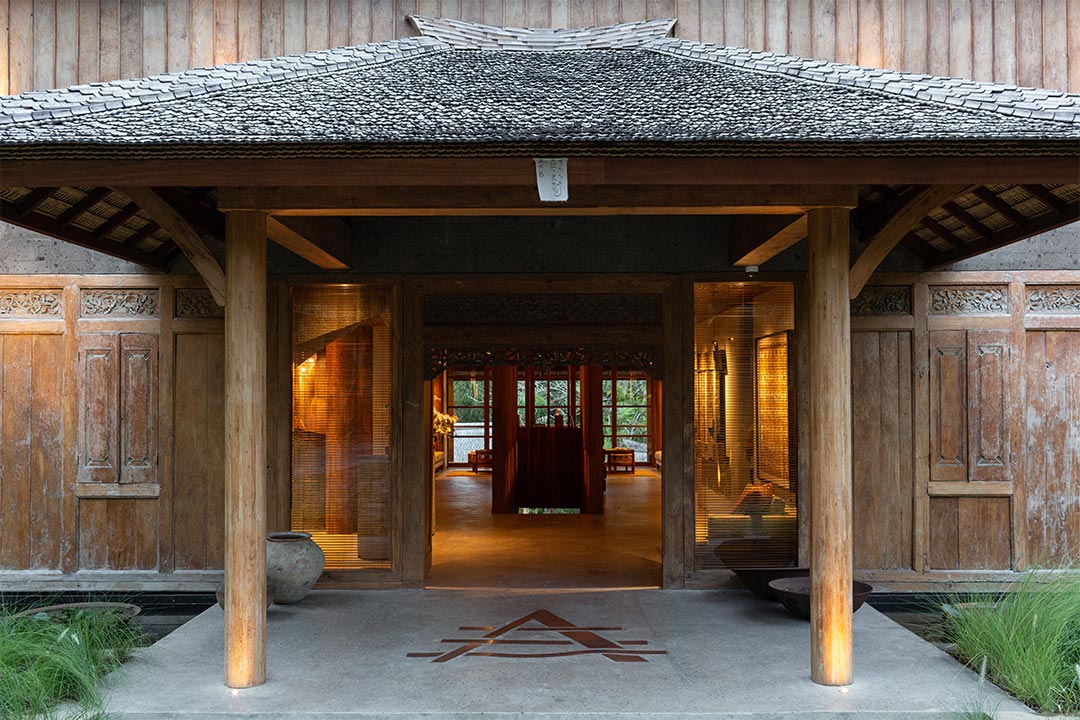
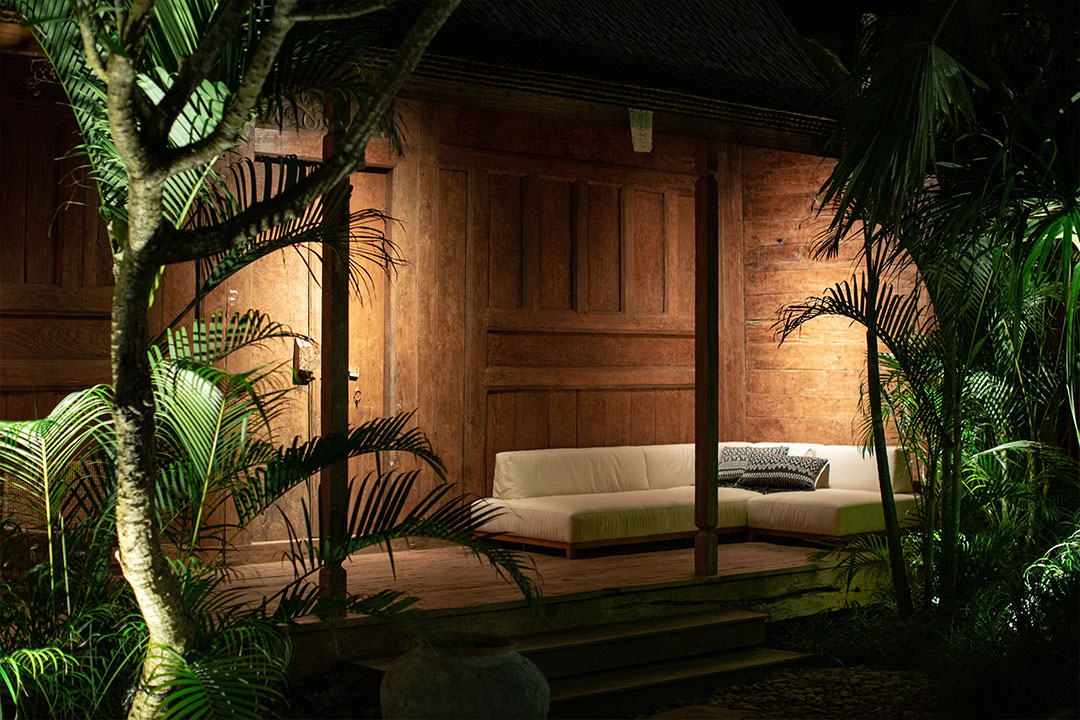
Ten century old Javanese timber houses, taken down in East Java, carried to a lane above Padang Padang beach and put back up as suites around a saltwater pool. The Asa Maia opened in 2021, built by its owner Martha over three years with Earth Lines Architects, as a small adults only wellness retreat built around breathwork, a sauna and an ice bath. It is one of the better documented small properties in this index on what the rooms are made of, and one of the least documented on what the air and the light in them do.
Read the rest of the description
The gladaks
A gladak is a hand hewn teak house from the villages of East Java, and each of the ten here is named for the village it came from. The property publishes what went into rebuilding them: bamboo shingle roofs handcrafted in Bangli, reclaimed teak cabinetry, petrified wood furniture, around 90 per cent of all timber reclaimed, en suite tiles cut as a modern batik and handmade in Java, oval copper tubs and Belgian bluestone salvaged from a railway station. The bed is a King Koil mattress under Last Light flax linen. The toiletries are Sensatia Botanicals in refillable bottles. That is a named brand at every layer between a guest and the building, which is why materials reaches the specified tier. What is not named is what fills the mattress and what finishes the teak.
Water, hot and cold
Drinking water is Uluwatu's supply put through reverse osmosis, offered instead of bottles; the pool is saltwater rather than chlorine. Neither carries a published panel, and the property does not say whether the tap and shower water is treated the same way. Five metres underground, cut from volcanic rock, sit a 40 degree hot pool and a 7.5 degree cold pool for contrast therapy, beside a fire pit. Those are services a guest uses, recorded here and not scored: a cold plunge says nothing about the water in the room.
The kitchen
Vegan leaning with fish from the boats at Jimbaran, dressings and nut milks made from scratch, and fruit and vegetables the property publishes as entirely organic and island grown. A named grower, Mega, tends the herb garden on site. The suppliers behind the 100 per cent are called trusted and are not named, and the figure is the property's own, which holds food at specified rather than measured. Nothing is published about cooking oil.
What is not here
Air conditioning in every suite and no word on filtration or ventilation, so air scores zero. Wi-Fi and a Bose system in every suite and no word on the night, so EMF scores zero. Picture windows and no lighting figure. Freestanding houses and no acoustic rating. A property this precise about its teak and its tiles is a few sentences about its rooms after dark away from a very different total.
Reclaimed Javanese teak houses
Ten gladaks from East Java rebuilt under handcrafted bamboo shingle roofs, with 90 per cent of the wood reclaimed. Source
Bed and bath named by brand
King Koil mattresses, Last Light flax linen and refillable Sensatia Botanicals. Source
Reverse osmosis drinking water
Uluwatu's supply treated on site and served instead of bottles. A saltwater pool rather than chlorine. Source
Hot and cold pools underground
A 40 degree hot pool and a 7.5 degree cold pool cut five metres into volcanic rock, beside a fire pit. Source
Organic and island grown
Fruit and vegetables published as 100 per cent organic and Bali grown, herbs from a garden tended by a named farmer. Source
A yoga shala in a limasan
A reclaimed Javanese house in teak on the upper floor, under a bamboo shingle roof, with treetop views. Source
The Asa Maia at a glance
The Asa Maia is a hotel in Uluwatu, Bali, Indonesia. We read what it publishes about the eight things a building does to your biology and scored the evidence 10 of 24. Last verified 2026-09-06. Water Integrity is its best-documented pathway; nothing is published on Air Ecology.
The marker sheet
Eight building-biology pathways, each graded by the strength of its evidence. How grading works
- 0Nothing publishedNot publishedWe looked. They have published nothing about this.
- 1Their word for itClaimedThey say so, and name nothing behind it.
- 2Named and specificSpecifiedThey name the actual system, product, supplier or standard.
- 3Tested or verifiedMeasuredA published test result, a laboratory report, or an independent check: a certification body, or our own assessor on site.
Each of the 8 pathways scores 0 to 3, so 24 is the most any property can reach. Out of 24, because 8 of 8 pathways have been assessed. Unassessed pathways leave the denominator rather than counting as zero.
Air Ecology at The Asa Maia: Not published, 0 of 3Nothing publishednothing publishedFiltration, ventilation and what the air is measured at.0/3
We looked for published information on Air Ecology and found none. That is a gap in the public record, not a finding about the property.
What is not published
- What filter grade is fitted to guest room air handling, for example MERV 13 or HEPA H13?
- What is the fresh air supply rate per person in a guest room?
- Are carbon dioxide, particulate or volatile organic compound levels measured, and are the readings published?
- Is there a mould inspection and remediation protocol, and when was it last run?
- Are there gas cooktops, fireplaces or other combustion sources inside guest rooms?
Water Integrity at The Asa Maia: Specified, 2 of 3Named and specific2 sourcesSource, treatment, tested panels and how drinking water arrives.2/3
Out-documents 54% of the index on this pathway.
What is published, and where it came from
- Specified
Drinking water is published as Uluwatu's supply treated by reverse osmosis, a named treatment, offered in place of bottled water. No remineralisation, no filter product and no chemistry panel is published, and whether the same water reaches the taps and showers is not stated.
We use reverse osmosis (RO) to safely remove impurities from Uluwatu’s water supply.
- Specified
The 25 metre main pool is published as saltwater rather than chlorinated, a named sanitation method. No pool chemistry is published.
The feeling of swimming through silk is thanks to saltwater, which is gentler on hair, skin and eyes (not to mention better for your joint health) versus chlorinated pools.
What is not published
- What is the water source, and what treatment is applied before it reaches a guest room?
- Is there a published contaminant test panel, and which laboratory ran it?
- Is shower and bath water filtered, and to what specification?
- How are pools and spas sanitised, and is the chemistry published?
- How is drinking water delivered, and is it treated on site?
Light Rhythm at The Asa Maia: Claimed, 1 of 3Their word for it1 sourceCircadian lighting specification, flicker, blackout and daylight.1/3
Out-documents 33% of the index on this pathway.
What is published, and where it came from
- Claimed
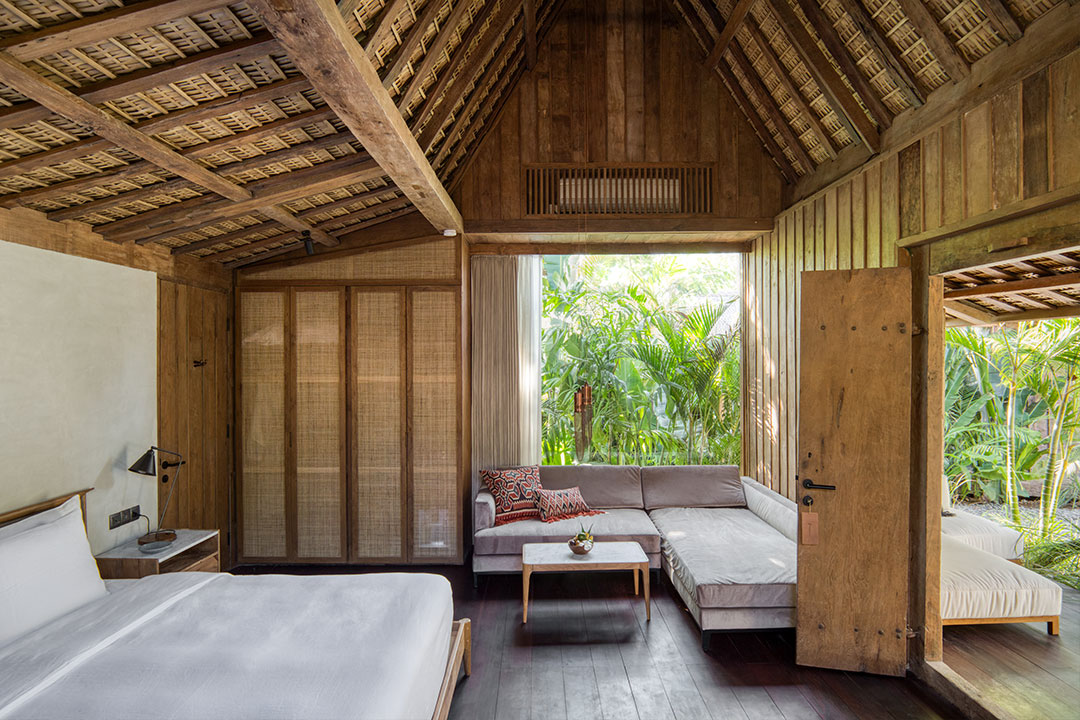
The studio is published with a pitched roof and a picture window onto the grounds, and the suites as light flooded with bespoke pendant lights. Daylight wording for the room a guest sleeps in, with no lux, colour temperature or blackout provision published.
Perfectly proportioned – its pitched roof and picture window giving the room an airy feel – our hardwood-floored Queen Studio is best suited to solo travelers or couples looking to bed down in more intimate accommodation.
What is not published
- Is guest room lighting tunable or circadian, and what specification is published?
- What colour temperatures are used in the evening, and are fixtures flicker free?
- Do sleeping areas have full blackout, and is it specified?
- What daylight access does a typical room have?
- Is exterior lighting shielded or reduced overnight?
EMF Harmony at The Asa Maia: Not published, 0 of 3Nothing publishednothing publishedWired versus wireless topology, and what is measured where people sleep.0/3
We looked for published information on EMF Harmony and found none. That is a gap in the public record, not a finding about the property.
What is not published
- Are guest rooms wired for data, or is access wireless only?
- Where are wireless access points and smart meters placed relative to the bed?
- Have field levels been measured in sleeping areas, and by whom?
- Can a guest have wireless disabled in their room on request?
- Is any shielded cabling or shielding material specified in the build?
Materials and Textiles at The Asa Maia: Specified, 2 of 3Named and specific5 sourcesNamed materials, finishes, bedding composition and cleaning chemistry.2/3
Out-documents 29% of the index on this pathway.
What is published, and where it came from
- Specified
The mattresses are published by brand as King Koil and the bedding by brand as Last Light linen, handmade from flax. No filling or flame retardant statement is published for the mattress, and no fibre test for the linen.
Talking of sleep, our gladaks’ luxurious chiropractor-approved King Koil mattresses support your spine, whilst their Last Light linen bedding (handmade from premium-grade flax), is both hypoallergenic and antibacterial.
- Specified
Bathroom amenities are published by brand as Sensatia Botanicals in refillable containers, a Balinese maker the spa page describes as 100 per cent botanical. No ingredient list or fragrance statement is published on the property's pages.
Our gladaks’ refillable bathroom amenities are by biodegradable Balinese beauty brand Sensatia Botanicals, whilst our Turkish towels are organic and handmade.
- Specified
The suites are published as century old reclaimed teak gladak houses from East Java under handcrafted bamboo shingle roofs, with reclaimed teak cabinetry, petrified wood furniture, oval copper or Belgian bluestone bathtubs and cement batik tiles handmade in Java; around 90 per cent of the wood is published as reclaimed. Named materials, with no finish or emission result.
Fully air-conditioned, inside they’re a vision of timber-rattan interiors with petrified wooden furniture, built-in reclaimed teak cabinetry and ikat soft furnishings.
- Specified
The architect publishes the same palette from its own side: carved stone vanities, bespoke copper baths, petrified wood furniture, reclaimed teak cabinetry, and en suite tiles designed as a modern batik cement tile and handmade in Java.
From tile patterns and copper, to carved stone vanities and bespoke copper baths, to hand selected petrified wood furniture and built in reclaimed teak cabinetry, everything was considered to add cultural value to the wellness centre experience.
- Specified
Soft furnishings are published as ikat bought directly from Toraja in Sulawesi and Tenganan in Bali, with the Tenganan cloth double woven and dyed with native plants. A named source and a named dye method for a textile a guest touches.
Proudly displayed in several of our gladaks is Ikat Tenganan: one of the region’s rarest textiles, that’s double-woven and naturally dyed with native plants and herbs.
What is not published
- What are the mattresses made of, and are they treated with flame retardants?
- What is the fibre content of the linen, and is it certified, for example to GOTS or OEKO TEX?
- Which paints, adhesives and sealants were specified, and are they low emission?
- What cleaning and laundry products are used, and is the list published?
- Are there named low emission certifications on the flooring or joinery?
Food and Kitchen at The Asa Maia: Specified, 2 of 3Named and specific3 sourcesSourcing, on site growing, cookware, kitchen water and additive discipline.2/3
Out-documents 34% of the index on this pathway.
What is published, and where it came from
- Specified
Fruit and vegetables are published as 100 per cent organic and grown on the island, with the majority of produce from local suppliers the property calls trusted but does not name. A self published share with no purchasing record or audit behind it.
Our fruits and vegetables are 100% organic and island-grown, and native ingredients like sugarcane, organic red rice, cashews, galangal, acai and rosella infuse our menu.
- Specified
The property's own herb garden is published with its grower named, Mega, growing lemongrass, aloe vera, turmeric and chilli. Fish is published as wild caught off Jimbaran with no supplier named. Nothing is published on cooking oil or cookware.
Closer to home, we have a heaven-scented onsite garden, lovingly tended to by multi-generation farmer Mega, who grows lemongrass, aloe vera, turmeric and chili.
- Claimed
The menu is published as vegan leaning with pescatarian dishes, dressings and nut milks made in house, and organic produce described as free of GMOs, antibiotics, synthetic fertilisers and chemical additives. Categories rather than a named supplier.
Everything from our salad dressings to our nut milks are made inhouse and from scratch.
What is not published
- What share of produce is grown on site or sourced locally, and is it verified?
- Which cooking oils are used, and is the policy published?
- What cookware is used in the kitchen?
- Is kitchen and ice water filtered, and to what specification?
- Is there a published position on additives, preservatives or allergens?
Biophilic and Healing Design at The Asa Maia: Specified, 2 of 3Named and specific3 sourcesNature access, views, volume and natural material contact, designed with intent.2/3
Out-documents 36% of the index on this pathway.
What is published, and where it came from
- Specified
Every suite is published with a front porch, a private indoor and outdoor lounge, and a bathroom partly open to the sky with indoor and outdoor rain showers. Outdoor access from the room a guest sleeps in.
Partially open to the sky and the Uluwatu elements, The Asa Maia’s stylish bathrooms are a masterclass in inside-outside-living, something the Balinese have perfected.
- Specified
Earth Lines Architects publishes its method: a concept built around the origin and history of each reclaimed structure, expressed through local materials and craft, with the studio responsible for the interiors, furniture, spa and landscape.
The concept was focused around the origins and cultural history of each hand-selected reclaimed structure, which led to The Asa Maia becoming an exceptionally fun and thoughtful project.
- Claimed
The yoga shala is published as a reclaimed Javanese limasan house in teak under a bamboo shingle roof, on the upper level of the main pavilion with treetop views. A communal space, described rather than measured.
The unique space is in fact a modified century-old Javanese residence crafted from teak, and capped with a bamboo shingle roof unique to Bali.
What is not published
- Does every guest room have direct outdoor access or an operable opening?
- What is the published design intent behind the natural materials used?
- What are the typical ceiling heights and room volumes?
- Was the landscape designed with native planting, and is the palette published?
Sound and Sensory Ecology at The Asa Maia: Claimed, 1 of 3Their word for it1 sourceMeasured background noise, separation between keys, and scent load.1/3
Out-documents 63% of the index on this pathway.
What is published, and where it came from
- Claimed
The ten suites are published as freestanding, which is a separation between keys by distance rather than a rated wall. A Bose sound system is published in every room, a source rather than a provision, and no background level or acoustic rating is published.
Reimagined as ten serenely spacious freestanding suites, each is named after the Javanese community from where it was sourced.
What is not published
- What is the measured background noise level in a guest room at night?
- What acoustic separation is specified between adjoining keys?
- How loud is the guest room air conditioning at its lowest setting?
- Is fragrance diffused into guest rooms or public areas, and can it be declined?
38 open questions could be answered with information this property already holds. Answer these for this property
What the record was built from
Every source behind this record, with the date we read it. You can open each one and check the grade against it yourself, which is the only reason to trust a grade at all.
- The Asa Maia, Eco Responsibility read 2026-09-06 · archived copy from 2026-05-20
- The Asa Maia, Resort Facilities read 2026-09-06 · archived copy from 2026-04-17
- The Asa Maia, Accommodation read 2026-09-06 · archived copy from 2026-06-12
- The Asa Maia, Our Gladaks read 2026-09-06 · archived copy from 2026-05-20
- Earth Lines Architects, The Asa Maia Resort, Earth Lines Architects project page read 2026-09-06 · archived copy from 2025-11-18
- The Asa Maia, Our Food read 2026-09-06 · archived copy from 2026-04-17
- The Asa Maia, Yoga read 2026-09-06 · archived copy from 2026-06-12
What is not published
Nothing on this record is a reading. The Asa Maia publishes its materials in more detail than almost any small property in this index, by brand and by origin, and publishes almost nothing about the air, the light or the wireless in the rooms. On air, every suite is air conditioned and nothing is published on filtration, ventilation, mould or the fire pit's smoke, so the pathway scores zero; the property is smoke free by policy. On water, reverse osmosis is named for the drinking water and saltwater for the pool, with no panel for either and no word on whether the tap and shower water is treated. On light, the rooms have picture windows and bespoke pendants, and no colour temperature, lux or blackout provision is published. On EMF, Wi-Fi and a Bose sound system are listed in every suite and nothing is published on managing either at night, so the pathway scores zero. On materials, the mattress, the linen, the toiletries, the timber, the stone, the tiles and the ikat are all named, and no filling, finish, ingredient list or emission result is. On food, the 100 per cent organic figure is the property's own and the suppliers it calls trusted are not named; no oil or cookware is mentioned. On sound, the suites are freestanding and nothing is measured. Earth Lines Architects publishes the project; no press article read adds a specification the property has not already published.
Where you’ll be
Uluwatu, Bali, Indonesia
-8.8154, 115.0941 · Open the full map · © OpenStreetMap contributors
Verification recordwho checked this, how, and when
Verification record
- Method
- Desk research of published sources, each claim cited
- Reviewed by
- Certified Spaces
- Last verified
- 2026-09-06
- Changes
- Every correction is logged
Not published is not unsafehow to read these scores, and what this index does not promise
A low score means a property has not published information. It does not mean the property is unsafe, unhealthy or poorly run.
These scores measure disclosure. These scores describe disclosure, not property quality. This index has no commercial relationship with the properties listed unless a badge on the listing says otherwise.
Conditions change, and we will not always know. Every record is a snapshot of what a property had published when we read it, and that date is on the page. Conditions change: a property can refit, change suppliers or replace a system at any time, and nothing requires it to tell us. We re-read records and ask properties directly for updates, but there will always be a gap between what is true today and what was published when we looked. Use this as a frame of reference for what to ask, not as a substitute for asking. Take your own questions to the property before you book, and tell us if you find something we have wrong.
We report what properties publish. We do not inspect, certify or vouch for any property on this index unless a listing says we assessed it on site, and we accept no responsibility for decisions made or outcomes experienced on the basis of what you read here.
Right of reply. Anyone can correct this record at corrections@verifiedwellnessspaces.com. The property scored here answers at reply@verifiedwellnessspaces.com. Every change is logged on the changelog with the date and the reason, including when the change is ours.
Questions travelers askwater, air, EMF, and whether it is worth it
Questions travelers ask about The Asa Maia
Does The Asa Maia publish water quality testing?
Yes, and they name what they use: an actual system, supplier or standard is on the record, though no test result is published. Scored 2 of 3.
What is the air quality like in the rooms?
We can only report what is published about the rooms themselves. No. Nothing is published, and we looked. That is a statement about the public record, not about safety.
Is The Asa Maia low-EMF?
No measurement is published. Only 16 of the 112 properties we have researched publish any bedroom EMF information at all, so this is the industry norm, not an outlier.
Is The Asa Maia worth it?
We score evidence, not experience. On evidence, it ranks 43 of 112 researched records. The strongest documented pathways are Water Integrity and Materials and Textiles; nothing is published on Air Ecology or EMF Harmony.