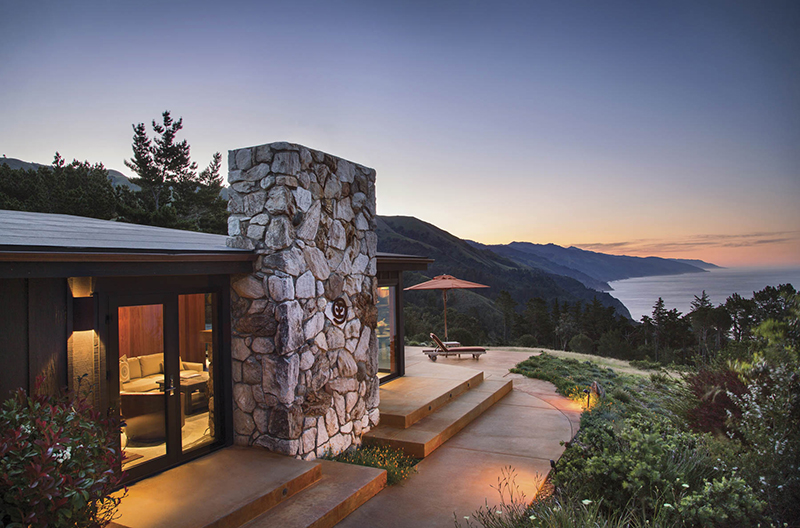
Amangiri is a stay in Canyon Point, Utah, USA. This page records what the property publishes about its building, across the eight pathways this index reviews.
Photography: Aman
The recordSpecified · read 16 Aug 2026
Current as of
16 Aug 2026
Last reviewed
16 Aug 2026
Coverage
Documented across 8 of 8 pathways.
Strongest evidence
Specified
Sources
Each entry shows its source and the date we read it.
Practical details
Type
Stay
Operator
Aman
Rooms
34 suites and 10 tented pavilions
Stage
Operating
Listing details from Google Places, read 6 Aug 2026.
Thirty four suites and ten tented pavilions at Canyon Point, Utah, operated by Aman.
A closer look at Amangiri
Thirty four suites and ten tented pavilions at Canyon Point, Utah, operated by Aman. The original architects, Marwan Al-Sayed, Wendell Burnette and Rick Joy, describe the building as cast from the earth itself, its concrete developed and refined in situ during construction. Every room is published with an outlook onto the surrounding mesas, and every suite with an outdoor lounge and fireplace, some with a private pool or roof terrace. The tented pavilions are Camp Sarika, whose Commons Building is by Selldorf Architects. All eight pathways have been reviewed, and three, Air Ecology, EMF Harmony and Sound and Sensory Ecology, came back with nothing published.
The building and the desertAmangiri sits at Canyon Point on 600 acres of Utah desert, and the architects, Marwan Al-Sayed, Wendell…
Amangiri sits at Canyon Point on 600 acres of Utah desert, and the architects, Marwan Al-Sayed, Wendell Burnette and Rick Joy, describe the building as cast from the earth itself: the concrete was developed and refined on site during construction to sit against the rock rather than on it. Every room is published with an outlook onto the surrounding mesas, and every suite with an outdoor lounge and a fireplace; some have a private pool. Surfaces are white stone floors, concrete walls, natural timbers and blackened steel. Ten tented pavilions at Camp Sarika stand apart from the main building. The property publishes that it follows International Dark-Sky Association guidelines, with hall lights dimmed and directed downwards, which in that landscape is a decision about the view as much as anything else.
What this property publishes, area by area
All eight areas, for every record. Each row opens to what was published, where we read it and when.
Publishing something is not the same as it being good. Every line below was read and placed by a person, not scored by a machine. What each rung means
Named means the property published something you can look up: a brand, a product or a number. Stated means it says so with nothing behind it. Not published means we looked and found nothing, which is a gap in our reading and not an answer about the building.
Air EcologyNo evidence recordedNothing found yet
The air in a closed room is what you breathe for eight hours. What decides it is the filter grade, the fresh air rate, and whether damp has ever been looked for.
We found nothing published on this. That is a gap in what we could read, not a finding about the building.
What to ask them
What filter grade is fitted to guest room air handling, for example MERV 13 or HEPA H13?
What is the fresh air supply rate per person in a guest room?
Are carbon dioxide, particulate or volatile organic compound levels measured, and are the readings published?
Is there a mould inspection and remediation protocol, and when was it last run?
Are there gas cooktops, fireplaces or other combustion sources inside guest rooms?
Water Integrity1 source notePublished or supplied
You drink it, cook with it and stand under it. What is in it depends on the source and on what, if anything, filters it, and both are things a property can name.
The travel title Islands reported in February 2025 that the main pools at Amangiri and the private pools at Camp Sarika are salinated, with no sanitation equipment, chemistry or test result published.
Plus, it's not just the main pools of Amangiri that are salinated, the personal pools at the resort's secluded satellite, Camp Sarika, are as well.
What to ask them
What is the water source, and what treatment is applied before it reaches a guest room?
Is there a published contaminant test panel, and which laboratory ran it?
Is shower and bath water filtered, and to what specification?
How are pools and spas sanitised, and is the chemistry published?
How is drinking water delivered, and is it treated on site?
Light Rhythm2 source notesPublished or supplied
Light is what tells a body the time of day. The part a building controls is what its fittings emit and when, which a named product or a colour temperature makes checkable.
Aman publishes that Amangiri adheres to the International Dark-Sky Association's guidelines, naming a third party standard for exterior light discipline with no sky brightness or illuminance measurement published.
Amangiri is committed to preserving the beauty of the cosmos by adhering to the International Dark-Sky Association's (IDA) guidelines, in cooperation with its local community.
Aman publishes, in its dark sky section, that hall lighting is dimmed and directed downward and that blue light emissions are minimal, with no colour temperature, spectral figure or flicker specification published.
From dimmed downward-directed lights in the halls, to minimal blue light emissions, this practice not only minimises light pollution but ensures the night sky views from Amangiri's Suites and Pavilions remain eternally breathtaking.
What to ask them
Is guest room lighting tunable or circadian, and what specification is published?
What colour temperatures are used in the evening, and are fixtures flicker free?
Do sleeping areas have full blackout, and is it specified?
What daylight access does a typical room have?
Is exterior lighting shielded or reduced overnight?
EMF HarmonyNo evidence recordedNothing found yet
Wiring, routers and devices put electromagnetic fields in a room. What a building decides is where they sit relative to the bed, and whether anyone has measured it.
We found nothing published on this. That is a gap in what we could read, not a finding about the building.
What to ask them
Are guest rooms wired for data, or is access wireless only?
Where are wireless access points and smart meters placed relative to the bed?
Have field levels been measured in sleeping areas, and by whom?
Can a guest have wireless disabled in their room on request?
Is any shielded cabling or shielding material specified in the build?
Materials and Textiles5 source notesPublished or supplied
The things you sleep on and touch: the mattress, the sheets, the pillows, and the paints, glues and finishes around them. A named fabric, a fibre content or a certification can be looked up. A structural palette tells you about the building, not about the bed.
Selldorf Architects publishes the material palette of the Commons Building at Camp Sarika as Douglas Fir screens, burgundy sun canopies and blackened steel, naming a timber species with no finish, adhesive or emission certification published.
Published by Selldorf Architects, read 16 Aug 2026.
The material palette includes Douglas Fir screens, burgundy sun canopies, and blackened steel.
Aman publishes that the original architects used minerals in the building materials mixed with recycled fly ash, naming a material component with no product, grade, supplier or emission certification.
The original architects Marwan Al-Sayed, Wendell Burnette, and Rick Joy intentionally designed a true-to-form expression of the surrounding rock formations, using minerals in the building materials – mixed with recycled fly ash – which reflect light to capture the dynamic interplay between architecture and the ever-shifting natural light.
Aman publishes that the tented canvas of each Camp Sarika pavilion is created from recycled plastic bottles, with no fabric specification, supplier or textile certification named on Aman's own page.
In addition, each pavilion's tented canvas is created from recycled plastic bottles.
Aman lists the suite surfaces as white stone floors, concrete walls, natural timbers and fittings in blackened steel, which are material categories with no species, product, supplier or emission standard named.
Accommodation design features include white stone floors, concrete walls, natural timbers and fittings in blackened steel.
An independent architecture title publishes the enclosure fabric of the Camp Sarika pavilions as a Serge Ferrari composite membrane, Flexlight Dualtone 702, made to order in a colourway named Pepper. It names the manufacturer, the product by code and the colourway, and publishes no emission class, off gassing test or textile certification.
Published by Chroniques d'architecture, read 16 Aug 2026.
C'est ensemble qu'ils ont sollicité le Groupe Serge Ferrari pour créer une membrane sur-mesure, au coloris nommé Pepper qui se fond entièrement dans le désert.
What to ask them
What are the mattresses made of, and are they treated with flame retardants?
What is the fibre content of the linen, and is it certified, for example to GOTS or OEKO TEX?
Which paints, adhesives and sealants were specified, and are they low emission?
What cleaning and laundry products are used, and is the list published?
Are there named low emission certifications on the flooring or joinery?
Food and Kitchen2 source notesPublished or supplied
What a kitchen cooks with and where it buys are the parts of a stay you take inside you. A named oil, a named supplier or a published share is checkable; “healthy” is not.
Aman publishes an operator wide sourcing commitment that as of October 2025 all of its hotels and resorts source cage-free eggs, including staff canteens, stated for the group rather than measured at this property.
Published by Aman, read 16 Aug 2026. It covers the operator or the group, not this property on its own.
As of October 2025, 100% of our hotels and resorts proudly source exclusively cage-free eggs, including staff canteens
Aman publishes that the Amangiri restaurant menus showcase local ingredients, with no farm, supplier, certification or share of local sourcing published.
Served indoors or on the pool terrace, menus showcase local ingredients, taking inspiration from American Southwest cuisine, tempered with modern global influences.
What to ask them
What share of produce is grown on site or sourced locally, and is it verified?
Which cooking oils are used, and is the policy published?
What cookware is used in the kitchen?
Is kitchen and ice water filtered, and to what specification?
Is there a published position on additives, preservatives or allergens?
Biophilic and Healing Design4 source notesPublished or supplied
Daylight, planting, outlook and the way a room meets the outside are what make a place feel the way it does. Named design decisions can be checked; atmosphere cannot.
The architects publish the design intent as a building cast from the earth itself, achieved by developing and refining the concrete geology in situ during construction, with no mix design, finish or supplier published.
Instrumental in giving Amangiri its defining quality of being cast or molded from the earth itself was the developing and refining of the resort's concrete geology in situ during construction.
The architects publish that every room gives guests an outlook onto the surrounding mesas, a whole property statement of prospect with no ceiling height, room volume or glazing specification.
From every room guests can appreciate the rawness and pure natural beauty of the surrounding mesas and the region's mesmerizing light play throughout the day.
Aman publishes that every suite has an outdoor lounge and that some have a private pool or roof terrace, describing direct outdoor access without a specification; the same sentence records an outdoor fireplace at each suite, which is noted as a combustion source and not credited.
Each suite has an outdoor lounge and fireplace with expansive desert views, while some feature a private pool or roof terrace.
Phoenix Home & Garden reports that the guest suites have floor-to-ceiling windows framing the landscape, with no glazing product, area or visible light transmittance published.
Published by Phoenix Home & Garden, read 16 Aug 2026.
Floor-to-ceiling windows frame the vistas from the guest suites.
What to ask them
Does every guest room have direct outdoor access or an operable opening?
What is the published design intent behind the natural materials used?
What are the typical ceiling heights and room volumes?
Was the landscape designed with native planting, and is the palette published?
Sound and Sensory EcologyNo evidence recordedNothing found yet
What you can hear at three in the morning decides whether you slept. Insulation, plant and machinery, and what sits next door are what decide it.
We found nothing published on this. That is a gap in what we could read, not a finding about the building.
What to ask them
What is the measured background noise level in a guest room at night?
What acoustic separation is specified between adjoining keys?
How loud is the guest room air conditioning at its lowest setting?
Is fragrance diffused into guest rooms or public areas, and can it be declined?
Not everything is published, and an empty row is a gap in what we could read rather than a fault in the building. If one of these matters to you, ask the property before you book. Send us something that updates this record
Feature sources and certification records show their own scope and dates.
Compare what each stay offers, how it was checked and what still needs confirming. Assessment labels describe the review, not an overall quality rating.
A low score means a property has not published information. It does not mean the property is unsafe, unhealthy or poorly run.
These scores describe disclosure, not property quality. Listings are free, and any commercial relationship is disclosed.
Regional data is context about the location. It does not establish conditions inside a room.
Safely managed drinking water, USA · 2024The World Health Organization reports 98 per cent of the population nationally, 98 per cent in urban areas using a safely managed drinking water service. This describes the country, not this property, and says nothing about what reaches a guest room here. It is recorded because it is the background against which a property's own treatment is worth publishing.World Health Organization
Ambient PM2.5 and PM10 near Canyon Point, Utah, USA · 30 days to 2026-08-17Modelled ambient air over this location averaged 3.2 micrograms per cubic metre of PM2.5 and 5.5 of PM10 across the 720 hours to 2026-08-17, peaking at 17.1 PM2.5. The World Health Organization annual guideline for PM2.5 is 5. This is the outdoor air over the area, modelled rather than measured on site, and it is not a reading of the air inside any room.Open-Meteo, from CAMS