Chumbe Island Coral Park is a stay in Chumbe Island, Zanzibar, Tanzania. This page records what the property publishes about its building, across the eight pathways this index reviews.
Photography: Chumbe Island Coral Park
The recordCertified · read 6 Aug 2026
Current as of
6 Aug 2026
Last reviewed
6 Aug 2026
Coverage
Documented across 8 of 8 pathways.
Strongest evidence
Certified
Sources
Each entry shows its source and the date we read it.
Seven island bungalows in Zanzibar’s coral-rag forest.
An island shaped by nature
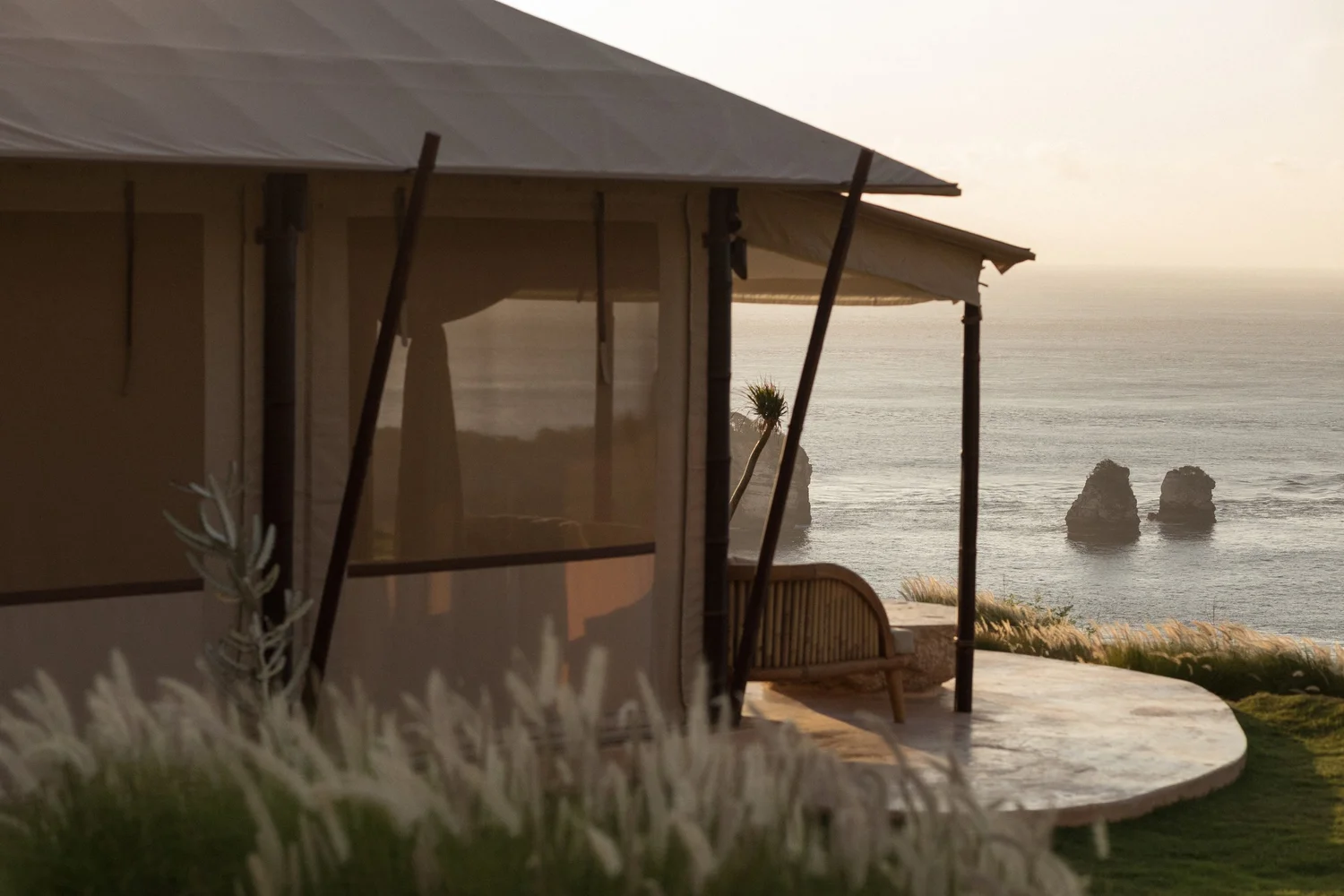
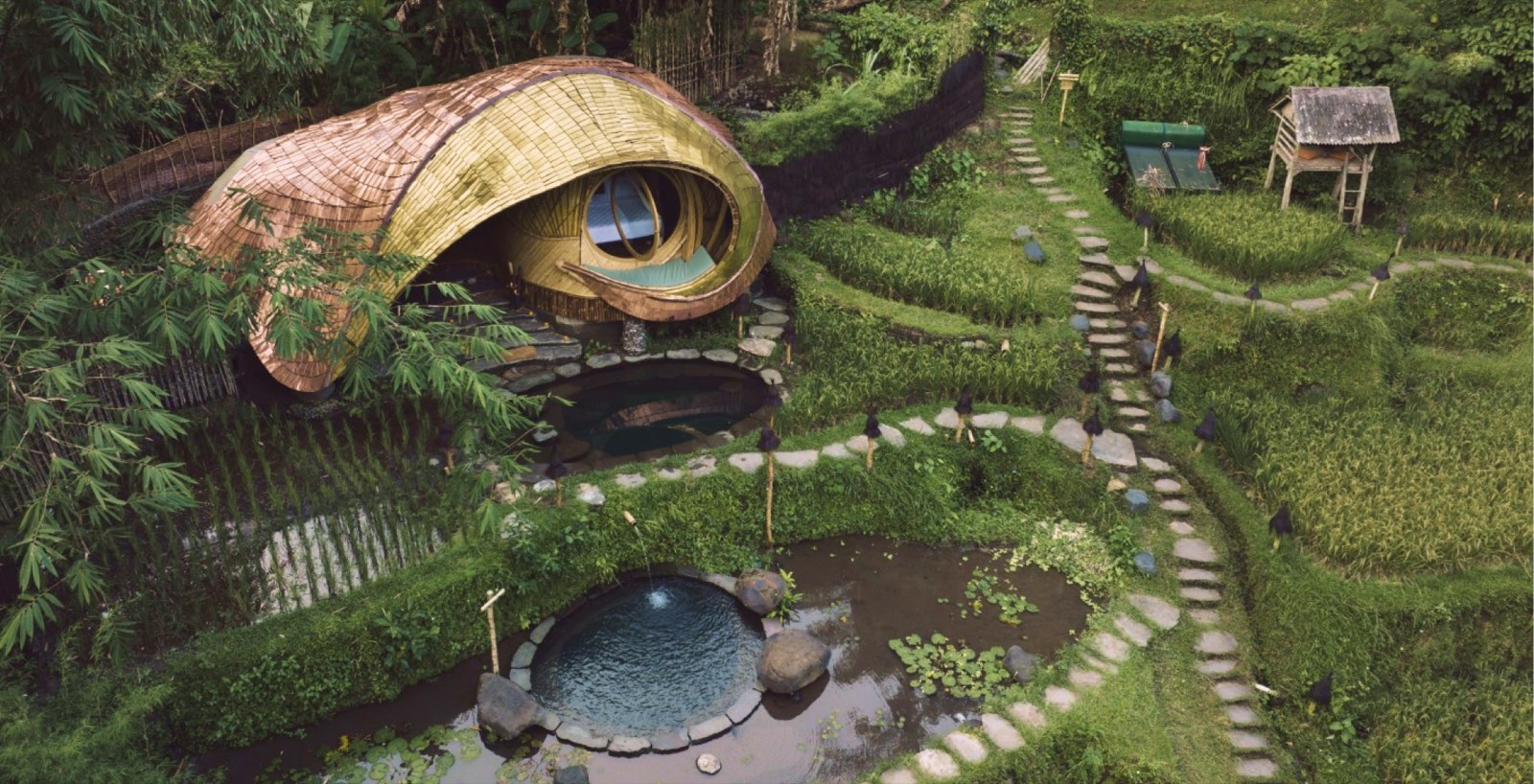
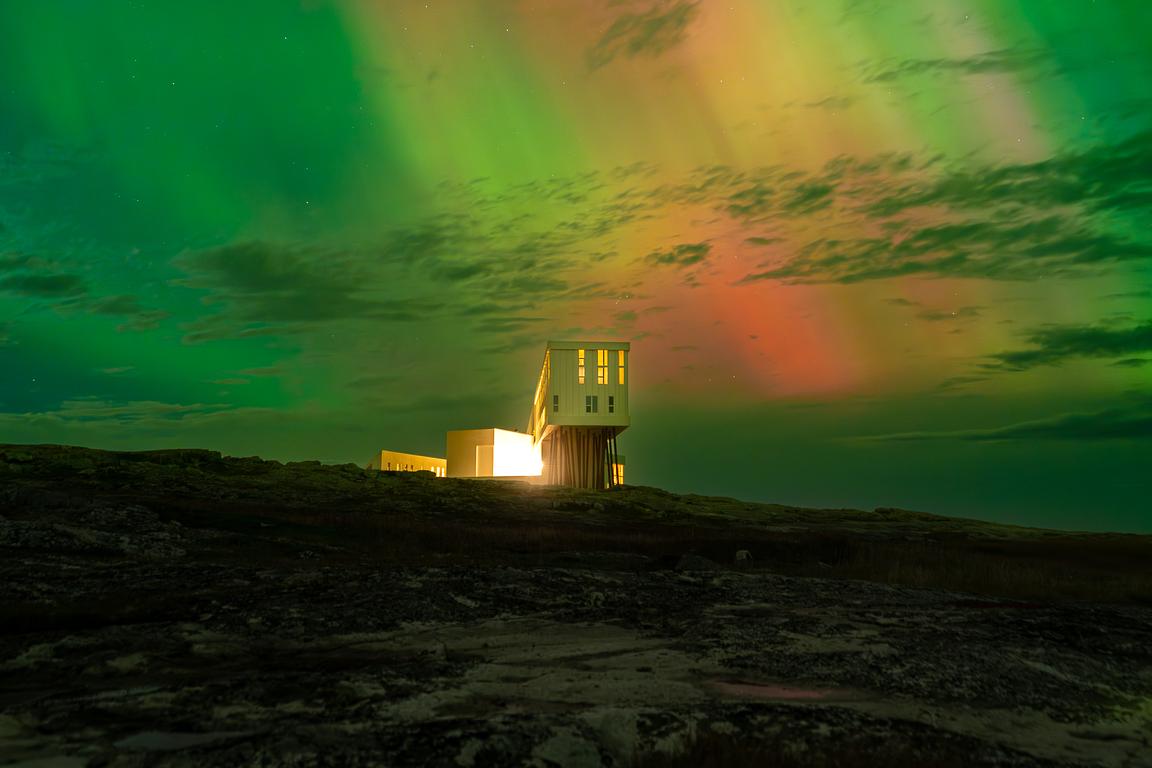
At Chumbe Island Coral Park, seven bungalows form a small island stay among Zanzibar’s coral-rag forest. The architectural plans place them in existing clearings, with roofs designed to catch seasonal breezes and slender casuarina poles bound with coconut rope.
Read more
Rainwater collection is part of that design, from the roofs to storage beneath the bungalows. It is a place for travellers interested in how an island stay is made, where the architecture’s response to wind, water and vegetation becomes part of the experience.
What this property publishes, area by area
All eight areas, for every record. Each row opens to what was published, where we read it and when.
Publishing something is not the same as it being good. Every line below was read and placed by a person, not scored by a machine. What each rung means
Named means the property published something you can look up: a brand, a product or a number. Stated means it says so with nothing behind it. Not published means we looked and found nothing, which is a gap in our reading and not an answer about the building.
Air Ecology4 source notesPublished or supplied
The air in a closed room is what you breathe for eight hours. What decides it is the filter grade, the fresh air rate, and whether damp has ever been looked for.
The architectural design sheets published on the property's own download page describe the bungalow roof as a wind catcher, opened to the sea during the south west monsoon with a closing ventilation louvre for storms, and raised above the tree line to catch the breeze during the north east monsoon.
Published by Chumbe Island Coral Park (CHICOP), read 6 Aug 2026.
The roof acts as a wind catcher. During the south-west monsoon it is open to the sea with a closing ventilation louvre in the case of storms. During the north-east monsoon the roof is high enough to catch the breeze which blows above the tree line.
The same architectural sheets name the guest bathroom compost toilet as based on the Swedish Clivus Multrum Compost Toilet System and state that its ventilation exit sits above roof level with suction in the ventilation pipe, described in the source as ensuring an odour free environment.
Published by Chumbe Island Coral Park (CHICOP), read 6 Aug 2026.
The ventilation exit is located above the roof level and the suction in the ventilation pipe ensures an odour-free environment. [...] The compost toilet system on Chumbe Island is based on the Swedish "Clivus Multrum Compost Toilet System", which proves 60 years of successful operation.
In an article by CHICOP director Sibylle Riedmiller dated 31 January 2024, the property states that guests regulate the flow of the sea breeze through the bungalow using hand woven mat panels, and that no air conditioning is fitted.
Published by Chumbe Island Coral Park (CHICOP), article hosted by Greening the Islands Foundation, read 6 Aug 2026.
Guests can regulate the flow of the sea breeze through the bungalow with hand-woven mat panels. Thus no energy-demanding air-conditioning is required.
The same director's article states that gas stoves were selected as the cooking energy for the restaurant after trialling solar box cookers, a parabolic solar cooker, a low pressure gas cooker, kerosene cookers and charcoal stoves, with no appliance specification or kitchen extract detail given.
Published by Chumbe Island Coral Park (CHICOP), article hosted by Greening the Islands Foundation, read 6 Aug 2026.
Of the several options examined, gas stoves were the most appropriate and cost-effective option.
What to ask them
What filter grade is fitted to guest room air handling, for example MERV 13 or HEPA H13?
What is the fresh air supply rate per person in a guest room?
Are carbon dioxide, particulate or volatile organic compound levels measured, and are the readings published?
Is there a mould inspection and remediation protocol, and when was it last run?
Are there gas cooktops, fireplaces or other combustion sources inside guest rooms?
Water Integrity4 source notesPublished or supplied
You drink it, cook with it and stand under it. What is in it depends on the source and on what, if anything, filters it, and both are things a property can name.
The architectural design sheets state the island has no fresh water source other than rain, and that roof rainwater is funnelled through a sandstone filter into a cistern forming the base of each guest bungalow, supplying drinking and washing water.
Published by Chumbe Island Coral Park (CHICOP), read 6 Aug 2026.
Chumbe Island has no source of fresh water other than rain. Therefore rainwater catchment provides the most feasible water supply for drinking and washing. From the roof of each building the rain water is funnelled via a sandstone filter into a cistern which forms the base of each Guest Bungalow and parts of the Visitors' Centre.
The same sheets describe a combined filter and foul flush inlet unit that diverts the first rainwater flush before the second flush passes through the sandstone filter into the cistern.
Published by Chumbe Island Coral Park (CHICOP), read 6 Aug 2026.
The rain water inlets of the cistern function as a combined filter and 'foul flush' unit. These separate the first, rather 'dirty' rain water flush, from the 'cleaner' second flush which then enters the cistern through the sandstone filter.
The accommodation page states each bungalow cistern holds up to 15,000 litres, which the property says is sufficient to supply that bungalow's bathroom taps and shower for a year. The figure is a storage capacity and no water quality test accompanies it.
Published by Chumbe Island Coral Park, read 6 Aug 2026.
Each bungalow cistern can hold up to 15,000 litres of water, sufficient to supply the bathroom taps and shower units for the entire year.
The director's own article of 31 January 2024 states that drinking water is supplied in recycled and refillable glass bottles, with no treatment step described for the drinking supply.
Published by Chumbe Island Coral Park (CHICOP), article hosted by Greening the Islands Foundation, read 6 Aug 2026.
Drinking water is supplied in recycled and refillable glass bottles, while organic waste is composted for re-use in composting toilets, while all inorganic waste is taken off the island.
What to ask them
What is the water source, and what treatment is applied before it reaches a guest room?
Is there a published contaminant test panel, and which laboratory ran it?
Is shower and bath water filtered, and to what specification?
How are pools and spas sanitised, and is the chemistry published?
How is drinking water delivered, and is it treated on site?
Light Rhythm2 source notesPublished or supplied
Light is what tells a body the time of day. The part a building controls is what its fittings emit and when, which a named product or a colour temperature makes checkable.
The director's article of 31 January 2024 states that walkways, nature trails and beach areas carry no artificial illumination and that guests are issued solar powered torches for moving between bungalows and the restaurant at night.
Published by Chumbe Island Coral Park (CHICOP), article hosted by Greening the Islands Foundation, read 6 Aug 2026.
To protect nocturnal wildlife from light pollution, the walkways, nature trails and beach areas are not artificially illuminated. Guests are given solar powered torches for walking along the pathways between the eco-bungalows and the Restaurant at night.
The design concept panel of the architectural sheets states that the bungalow roof shades the interior from sun and rain and that only the evening sun enters the building.
Published by Chumbe Island Coral Park (CHICOP), read 6 Aug 2026.
The roof protects the guests from sun and rain. Only the evening sun can enter the building. The solid base of the bungalow protects from insects and water.
What to ask them
Is guest room lighting tunable or circadian, and what specification is published?
What colour temperatures are used in the evening, and are fixtures flicker free?
Do sleeping areas have full blackout, and is it specified?
What daylight access does a typical room have?
Is exterior lighting shielded or reduced overnight?
EMF HarmonyNo evidence recordedNothing found yet
Wiring, routers and devices put electromagnetic fields in a room. What a building decides is where they sit relative to the bed, and whether anyone has measured it.
We found nothing published on this. That is a gap in what we could read, not a finding about the building.
What to ask them
Are guest rooms wired for data, or is access wireless only?
Where are wireless access points and smart meters placed relative to the bed?
Have field levels been measured in sleeping areas, and by whom?
Can a guest have wireless disabled in their room on request?
Is any shielded cabling or shielding material specified in the build?
Materials and Textiles3 source notesPublished or supplied
The things you sleep on and touch: the mattress, the sheets, the pillows, and the paints, glues and finishes around them. A named fabric, a fibre content or a certification can be looked up. A structural palette tells you about the building, not about the bed.
The architectural sheets name the bungalow frame material as slender casuarina poles bound with coconut rope.
Published by Chumbe Island Coral Park (CHICOP), read 6 Aug 2026.
The roof is nearly coverd on both sides with 'makuti', the local roofing material made from coconut palm trees.
The accommodation page states the property is a signatory of the Global Tourism Plastics Initiative and single use plastic free, and that goods are transported in locally made biodegradable baskets rather than plastic packaging.
Published by Chumbe Island Coral Park, read 6 Aug 2026.
As signatories and ambassadors of the Global Tourism Plastics Initiative, Chumbe Island has avoided using plastics since its early days and is a single-use plastic free island.
What to ask them
What are the mattresses made of, and are they treated with flame retardants?
What is the fibre content of the linen, and is it certified, for example to GOTS or OEKO TEX?
Which paints, adhesives and sealants were specified, and are they low emission?
What cleaning and laundry products are used, and is the list published?
Are there named low emission certifications on the flooring or joinery?
Food and Kitchen3 source notesPublished or supplied
What a kitchen cooks with and where it buys are the parts of a stay you take inside you. A named oil, a named supplier or a published share is checkable; “healthy” is not.
The property publishes the Zanzibar Sustainable Seafood Guide, which it wrote itself and describes as an awareness tool for the tourism industry and consumers. It rates species by fishing method, location, size and maturity. It is the property's own document rather than third party verification, it grades species conservation rather than this kitchen's sourcing, and no purchasing policy for the restaurant is published.
Published by Chumbe Island Coral Park, read 6 Aug 2026.
the fishing method, the fishing location, the size of the seafood, its age of maturity and eating local
The accommodation page states that all food products are sourced from local community fishers and farmers, with no supplier named, no share quantified and no verification published.
Published by Chumbe Island Coral Park, read 6 Aug 2026.
Food products are all sourced from local community fishers and farmers.
The accommodation page asks guests to declare dietary needs and allergies before arrival and states that vegan, vegetarian, gluten free and lactose free dishes are available, with no additive or cooking oil position published.
Published by Chumbe Island Coral Park, read 6 Aug 2026.
Please let us know before your visit if you have any dietary needs or allergies. Our cuisine includes a variety of vegan, vegetarian, gluten and lactose-free dishes.
What to ask them
What share of produce is grown on site or sourced locally, and is it verified?
Which cooking oils are used, and is the policy published?
What cookware is used in the kitchen?
Is kitchen and ice water filtered, and to what specification?
Is there a published position on additives, preservatives or allergens?
Biophilic and Healing Design3 source notesPublished or supplied
Daylight, planting, outlook and the way a room meets the outside are what make a place feel the way it does. Named design decisions can be checked; atmosphere cannot.
The architectural sheets, credited to fiebig hulsemann krusche with architectural design by Georg Fiebig, Jan Hulsemann and Per Krusche, publish the design intent for the seven bungalows: units placed into existing clearings in the coral rag forest, giving protection from sun, rain and insects and using wind for ventilation.
Published by Chumbe Island Coral Park (CHICOP), read 6 Aug 2026.
The Guest Bungalows are small units carefully placed into natural clearings in the coral rag forest. Without disturbing the surrounding nature they offer protection from sun, rain and insects, and use the wind for ventilation.
The same sheets state that the position of each bungalow was set by the sea view and the surrounding natural features, and that the elevated base forms the living platform with a sea outlook. A sectional drawing of a guest bungalow is published at a 0 to 10 metre scale.
Published by Chumbe Island Coral Park (CHICOP), read 6 Aug 2026.
The position of the bungalow was determined by the seaview and the natural surrounding features.
The accommodation page states the bungalows are very open, including the upper sleeping platforms, and describes a king size bed on a sleeping platform under a palm thatched roof.
Published by Chumbe Island Coral Park, read 6 Aug 2026.
the bungalows are very open (including the upstairs sleeping platforms)
What to ask them
Does every guest room have direct outdoor access or an operable opening?
What is the published design intent behind the natural materials used?
What are the typical ceiling heights and room volumes?
Was the landscape designed with native planting, and is the palette published?
Sound and Sensory Ecology1 source notePublished or supplied
What you can hear at three in the morning decides whether you slept. Insulation, plant and machinery, and what sits next door are what decide it.
In guidance written for families, the property states that the bungalows sit in relatively close proximity where sound travelling is concerned. No acoustic separation specification and no measured noise level are published.
Published by Chumbe Island Coral Park, read 6 Aug 2026.
The bungalows are also located in relatively close proximity when it comes to sound travelling.
What to ask them
What is the measured background noise level in a guest room at night?
What acoustic separation is specified between adjoining keys?
How loud is the guest room air conditioning at its lowest setting?
Is fragrance diffused into guest rooms or public areas, and can it be declined?
Not everything is published, and an empty row is a gap in what we could read rather than a fault in the building. If one of these matters to you, ask the property before you book. Send us something that updates this record
Certifications
Global Ecosphere Retreat
Issued by The Long Run · Historical award · current status unconfirmed
Nature-based tourism operations, conservation, community, culture and commerce.
Nature-based tourism operations, conservation, community, culture and commerce.
Level / version
Not stated
Awarded
2011
Valid until
Not stated
Source checked
15 Sept 2026
Chumbe is absent from the issuer’s current 2026 GER-certified member list. Current certification has not been established; this does not establish expiry or withdrawal. Membership alone is not GER certification.
The Long Run, Global Ecosphere Retreat
Issued by The Long Run
Property
Awarded: Not stated · Valid until: Not stated · Source checked: 6 Aug 2026
Feature sources and certification records show their own scope and dates.
Compare what each stay offers, how it was checked and what still needs confirming. Assessment labels describe the review, not an overall quality rating.
A low score means a property has not published information. It does not mean the property is unsafe, unhealthy or poorly run.
These scores describe disclosure, not property quality. Listings are free, and any commercial relationship is disclosed.
Regional data is context about the location. It does not establish conditions inside a room.
Safely managed drinking water, Tanzania · 2024The World Health Organization reports 31 per cent of the population nationally, 45 per cent in urban areas, 23 per cent in rural areas using a safely managed drinking water service. This describes the country, not this property, and says nothing about what reaches a guest room here. It is recorded because it is the background against which a property's own treatment is worth publishing.World Health Organization
Ambient PM2.5 and PM10 near Chumbe Island, Zanzibar, Tanzania · 30 days to 2026-08-17Modelled ambient air over this location averaged 9.0 micrograms per cubic metre of PM2.5 and 12.5 of PM10 across the 720 hours to 2026-08-17, peaking at 23.1 PM2.5. The World Health Organization annual guideline for PM2.5 is 5. This is the outdoor air over the area, modelled rather than measured on site, and it is not a reading of the air inside any room.Open-Meteo, from CAMS